Clear leaves from the lawn and walking routes, choose snow tools for the surfaces you need to open, and prepare watering equipment before freezes. In mild or dry regions, winter care can mean less mowing and carefully timed watering rather than snow removal.
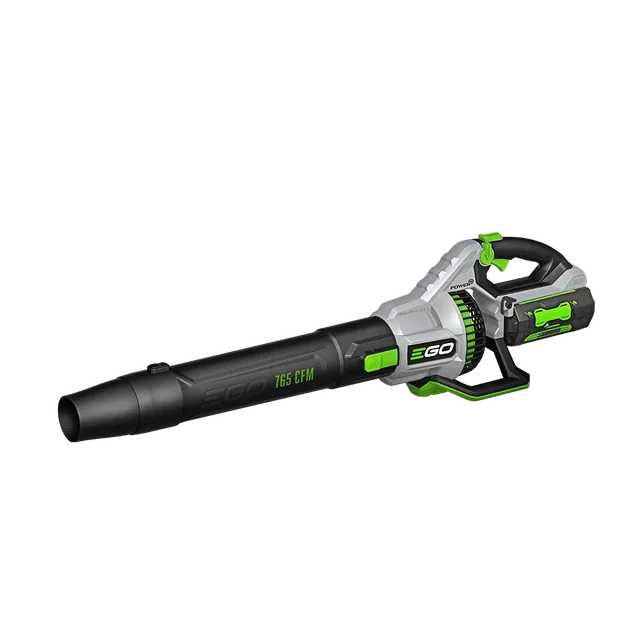
Photo: EGO Power+
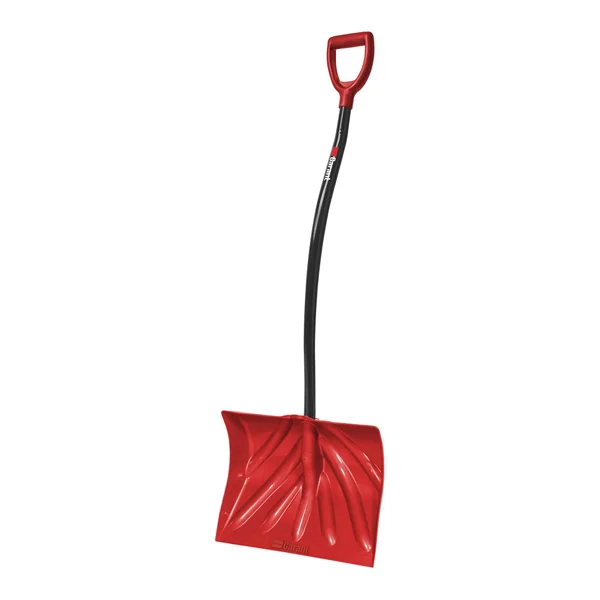
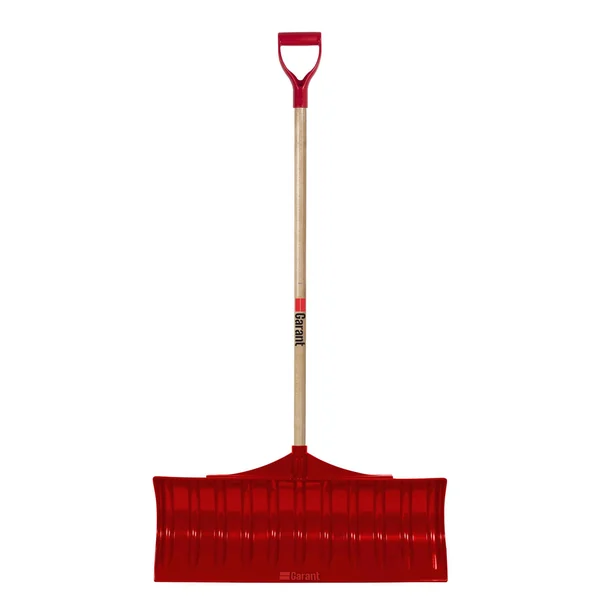
Snow blowers, shovels and pushers
Start with the clearing route: a level paved driveway, narrow steps and a broad walk call for different tools. A snow blower adds powered clearing, while a shovel or pusher still handles edges, short paths and places a machine cannot reach. Leave room to put the snow without blocking drains, visibility or the next pass.
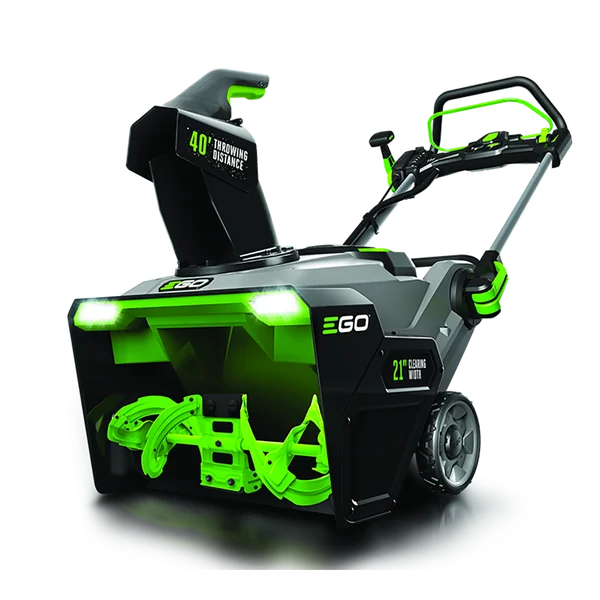
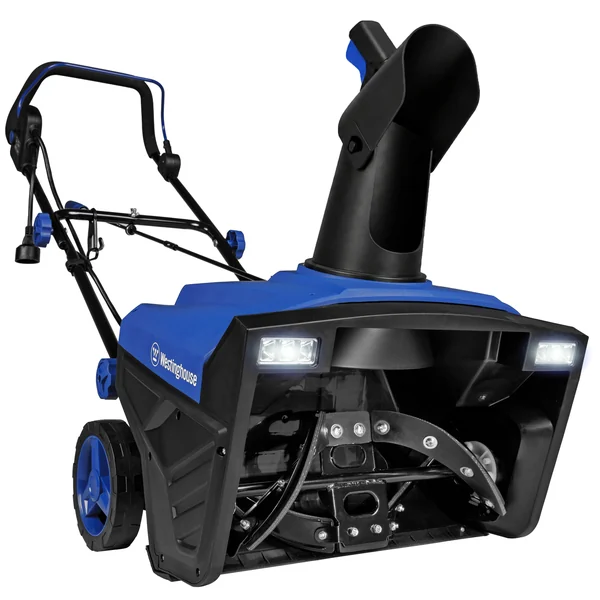
These single-stage snow blowers are choices for suitable paved surfaces. Compare the intake and clearing width with likely snowfall, the available power supply and the exact manual restrictions. A wider pusher moves a shallow layer along a surface; it does not turn a heavy bank or ice into an easy lifting load.
The Westinghouse WSnow20 uses a 15-amp motor and clears a 20-inch path, with no battery charging between sessions.
Keep in mind: Its manual rates continuous operation above 23°F and describes extremely cold use as short-duration. It also needs an approved cord and a workable cable route.
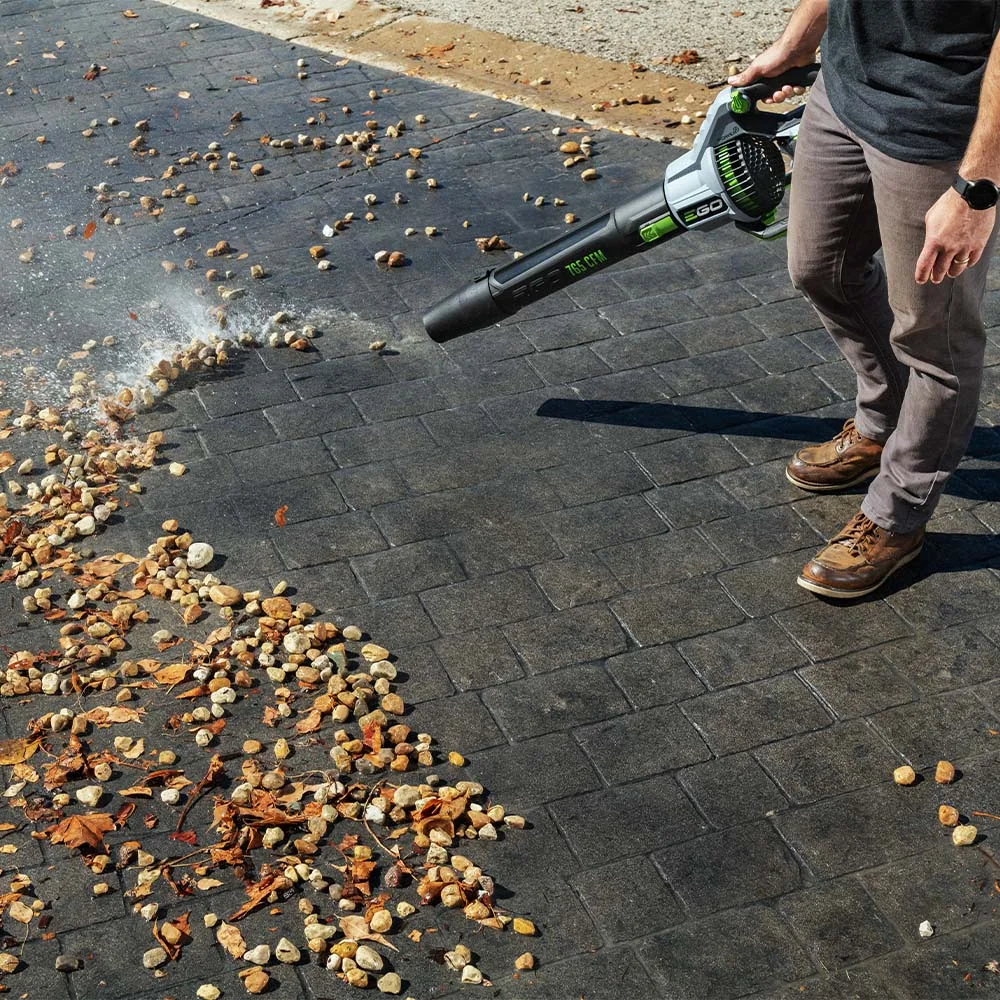
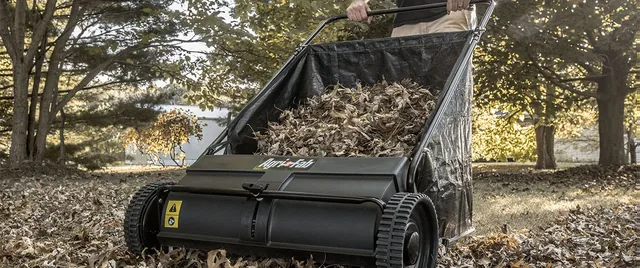
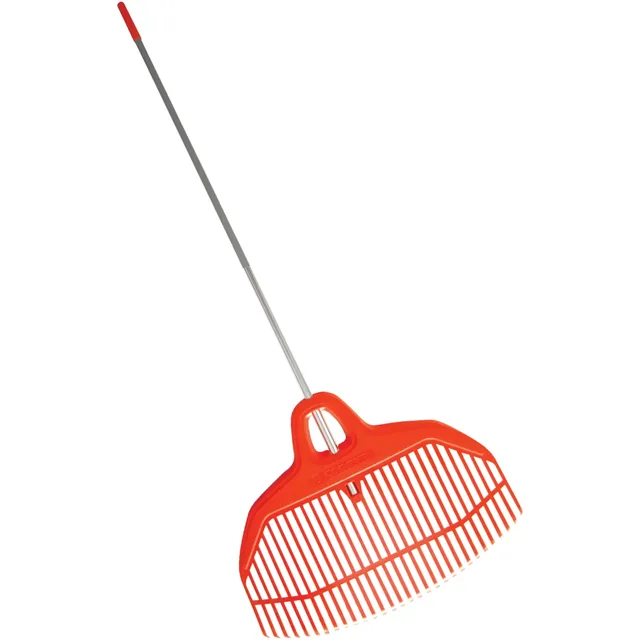
Mulch a light covering of dry leaves when the lawn is firm enough to mow, and collect the surplus when leaves remain in a mat over the grass. A leaf blower gathers loose material; a rake, sweeper or vacuum handles a different collection stage. Choose where the leaves will finish before moving them across the yard.
Keep useful leaf cover in suitable planting beds or a separate habitat area rather than treating the whole yard as bare ground. On turf, heavy leaf mats and saturated soil need a gentler approach. A mower or collection machine that leaves ruts is doing more harm than the extra pass solves.
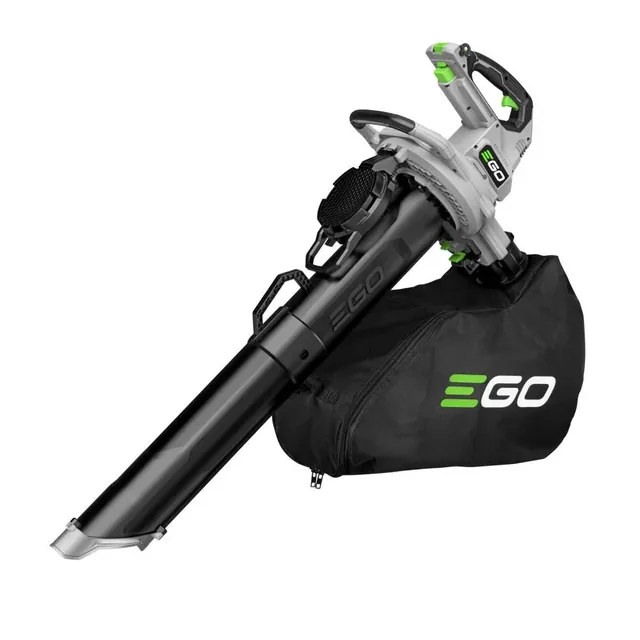
The EGO LV5000 combines leaf vacuuming and mulching with blower functions, allowing material to be gathered or collected with the appropriate configuration.
Keep in mind: This selected package has no battery. Use an approved battery and charger, and follow its material and intake restrictions.
Use your grass type, elevation and current ground conditions alongside the regional starting points below. A state can include snowy mountains, wet coastal areas and mild lowlands; one national mowing or watering calendar cannot serve them all.
Match the work to local conditions
Region and conditions
The useful priority
Northeast and Upper Midwest
Keep repeated traffic off frosted or frozen turf, clear substantial leaf mats before lasting snow, and keep salt-contaminated snow away from planting beds. Put snow where it will not block drainage or the next clearing pass.
Transition zone and Southeast
Distinguish dormant bermudagrass from actively growing cool-season turf. Avoid forcing cold-dormant grass green with fertilizer or a summer watering schedule. Freezing weather can still require draining exposed hoses and timers.
Florida and the Gulf
Reduce mowing and watering as growth slows. North and Central Florida can experience dormancy or freeze browning, while parts of South Florida keep growing. Grass type, rainfall and local irrigation rules still determine the routine.
Wet Pacific Northwest
West of the Cascades, focus on leaf mats, drainage and avoiding ruts in saturated soil. Moss removal does not repair an underlying drainage problem. Inland and mountain areas also need frost and snow precautions.
Dry Rockies
A dry Colorado winter can call for supplemental watering. Use a snow-free window with thawed ground and air and soil temperatures above 40°F, allowing water to soak in before a freezing night. Disconnect and drain the temporary hose afterward.
Low-desert Southwest
In low-elevation Arizona, distinguish dormant bermudagrass from an actively growing overseeded ryegrass lawn. Their winter work and water needs differ. This lower-desert approach does not describe high-elevation Arizona or the whole Southwest.
Drain and disconnect portable watering equipment, protect the outdoor faucet and choose the right winterization approach for a buried sprinkler system.
Choose a sensible clearing order, match tools to snow and ice, reduce salt use and keep contaminated snow away from plants and drainage routes.
Watering equipment and tool storage
Remove hose-end timers, drain hoses and put frost-sensitive watering parts away before the relevant freeze. A buried sprinkler system needs its own drain or winterization procedure; compressed-air blowout is not a substitute for knowing the valves, backflow equipment and permitted pressure. The irrigation guide separates these jobs.
Operating and charging limits are different. For example, the EGO SNT2114 manual lists operation from −4°F to 50°F and optimal battery charging from 41°F to 104°F. Use the limits for your exact battery and charger, and allow a cold pack to reach an approved charging temperature. Follow each machine’s cleaning, power-isolation and storage instructions; a snow blower and a gas mower need different routines.