Choose the access route and snow storage area
Begin with the route people need: a main door, steps and a usable path to the driveway or sidewalk. Identify edges, low steps, landscape lights and other obstructions before they disappear beneath snow. A short, adequately cleared route is more useful than a broad strip that still leaves the only entrance slippery.
Choose where the removed snow will go. Keep doors, drainage routes and necessary access clear, and avoid pushing a bank across a neighbor’s route or into the roadway. Put clean snow in a place that does not bury vulnerable shrubs. Snow gathered from a salted pavement carries a different burden for plants and soil than clean snowfall.
Remove fresh snow in manageable amounts
Clearing before repeated walking or driving reduces the amount that becomes a bonded layer. During a long storm, several manageable rounds can avoid one very deep removal job, provided weather and visibility permit safe work. Take small shovel loads and push rather than lift when the route and tool allow.
Wet snow and sleet can be much heavier to move than they look. Wear suitable footwear and warm layers, take frequent breaks and stop if exhausted. Arrange help rather than treating a snow machine as permission to work beyond your physical limits. The route still requires turning, pulling, balance and some manual clearing.
Match equipment to the surface and snow
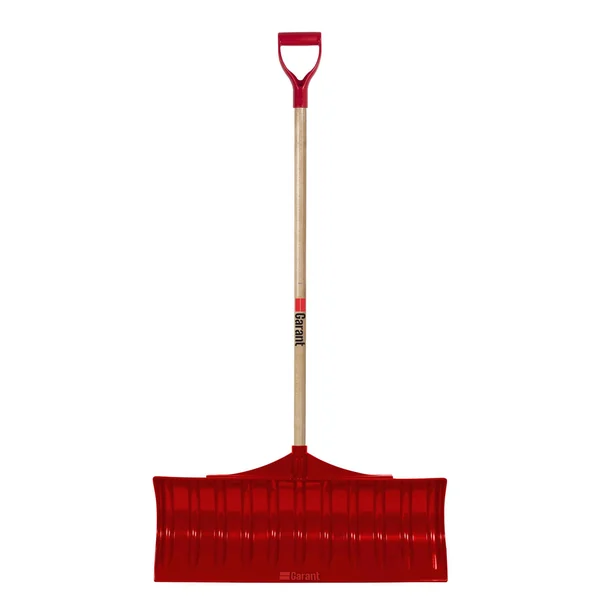
A shovel or pusher suits short paths and detailed work around steps. A scraper can help lift bonded residue after snow removal, provided its edge is suitable for the paving. Avoid aggressive chopping on a surface that could be damaged; the required clearing method depends on the pavement and tool.
For powered removal, use the machine’s permitted surface, slope, snow depth and operating procedure. A unit intended for paved walks is not automatically suitable for gravel. Remove objects it could throw, keep bystanders and pets away, and direct discharge away from people and property. Do not use a garden leaf blower to tackle bonded ice or assume that its leaf performance establishes snow-clearing suitability.
Stop and isolate a clogged snow machine
Never reach into an auger or discharge chute with a hand or foot. Stop the machine, wait for every moving part to stop and follow its isolation procedure before using the specified cleanout tool. Depending on the machine, that includes disconnecting power or removing the key and battery. A stopped-looking mechanism is not a safe place to reach.
For gas equipment, operate outdoors and keep exhaust away from enclosed spaces. Do not run it inside a garage or shed. Add fuel outside only after the engine is off and has cooled. For corded equipment, use the specified outdoor cord and electrical protection and keep the cable clear of the clearing path. These requirements remain part of the job even for a short cleanup.
Treat residual ice according to pavement temperature
After removing snow, use a deicer only where the remaining ice needs treatment. Read its ingredients, practical melting temperature, application rate and surface restrictions. Pavement temperature matters more than the air temperature in a forecast; sun and shade can leave nearby sections behaving differently.
Ordinary sodium chloride works poorly below a pavement temperature of about 15°F. Adding more at that point is a poor substitute for a suitable cold-weather product or traction approach. A laboratory eutectic temperature on a package is different from its practical working limit. Allow a suitable product time to loosen the bond, then remove the loosened ice instead of expecting the entire accumulation to disappear.
Use traction material without confusing it with deicer
Sand or grit can improve footing on top of ice, but it does not melt the ice. Use it where traction is the immediate need and clear the residue later so it does not accumulate in drainage routes. Keep a treated path under observation: melting water can refreeze when pavement cools, including after sunshine leaves a shaded entrance.
Avoid piles of salt and broad applications over untouched snow. Mechanical removal first exposes the surface where deicer can work. When pavement is dry, sweep up leftover salt that can be reused appropriately. More granules left behind are not continuing protection; they can be carried into soil, water and the house.
Protect plants and turf through the thaw
Keep salt-contaminated snow away from shrub crowns and beds. Deicing salts can reach foliage in spray or accumulate around roots through runoff, and switching salts does not make careless application harmless. Concentrate treatment on essential paved routes and keep material out of planted areas.
In the Northeast and Upper Midwest, repeated storms make the snow-storage choice important over the whole season. In the transition zone, Southeast or wet Northwest, an occasional freeze can still produce a serious slippery entrance and repeated thaw-refreeze. After snow melts, stay off saturated or frosted turf while collecting visible litter and accessible residue from firm ground. Record recurring runoff onto a walk for correction rather than relying on ever more salt.
Protect turf through frost and thaw · Find seasonal cleanup and winter equipment guidance
Common questions
Should I spread ice melt over fresh snow?
Remove as much snow as practical first, then treat residual ice where needed. A thick snow layer keeps deicer from reaching the bond at the pavement and usually leads to unnecessary material use.
Does sand melt ice?
No. It adds traction on the surface. Remove accumulated material once conditions allow because it can build up in drainage routes. Melting and traction are different jobs.
Can I clear a blocked snowblower chute with my hand after switching it off?
No. Follow the machine’s complete shutdown and isolation procedure, wait for movement to stop, and use its cleanout tool. Never place hands or feet in the chute or auger.
Is a product labeled plant-friendly safe to pile beside shrubs?
Do not use that label as permission to overapply it or dump treated snow onto plants. Minimize deicer use, follow the product directions and keep salty runoff and snow away from vulnerable planting areas.
Manuals & sources
Updated 2026-11-25.
- National Weather Service: Cold and Winter Hazards, Smart Shoveling
- CPSC: Snow Thrower Safety
- CPSC: Warm Up to These Winter Safety Tips
- Toro: Snowblower safety tips
- Toro: Cordless snow equipment operating and unclogging instructions
- University of Minnesota LTAP: Pavement temperature and deicer use
- UMN Extension: Effects of deicing salts on landscapes
- Minnesota Pollution Control Agency: Snow storage guidance