Clear access and drainage first
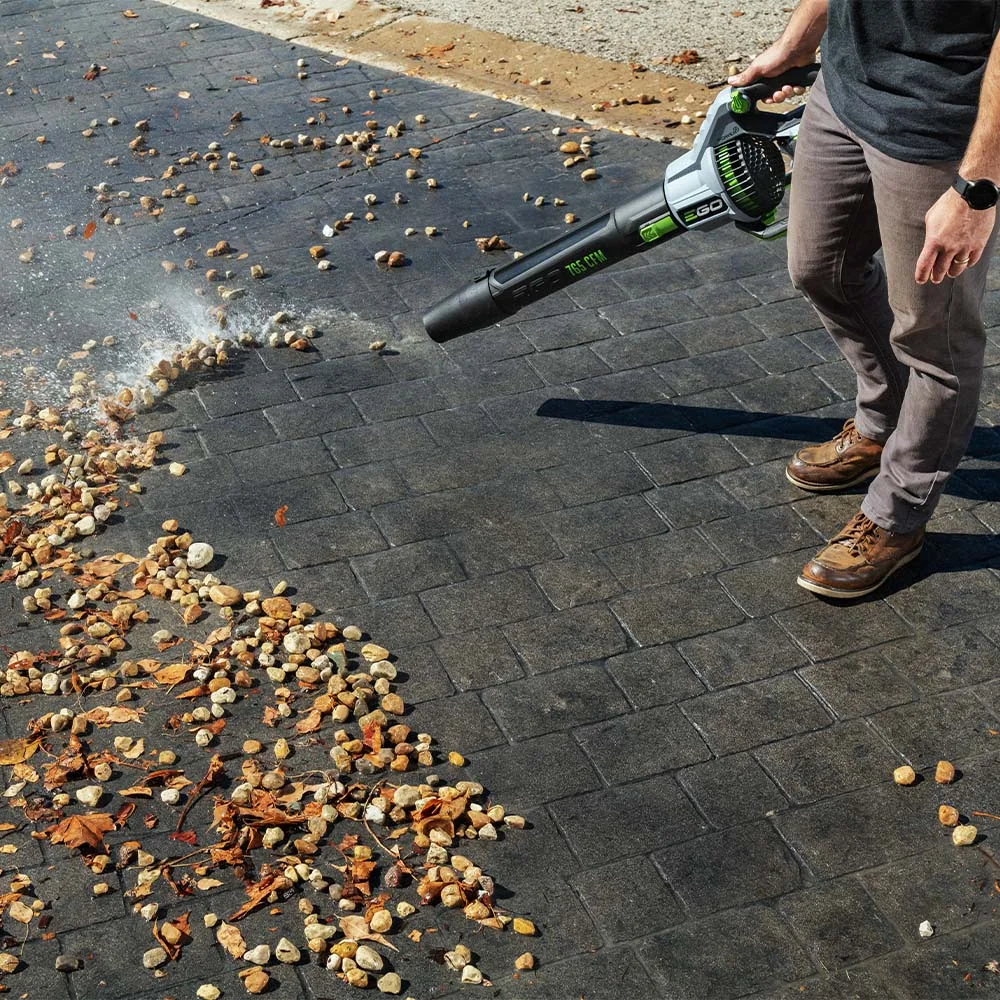
Start with the front steps, main walk and the places where runoff needs to leave the property. Move leaves off hard surfaces into a collection area rather than across the street or toward a storm drain. Work around a drain from the surface; do not remove a public grate or enter a drainage structure.
Decide where the leaves will finish before making a large pile. A bed beneath shrubs, a compost area and a permitted yard-debris collection each require a different route. A temporary pile halfway across the lawn creates another handling job if rain arrives before it is moved.
Mulch a light covering while leaves are dry
Dry leaves break into smaller pieces more readily than a soaked mat. Use a mower equipped for mulching according to its instructions, with the grass at its appropriate mowing height. Make another pass if needed to reduce large pieces. The useful result is small fragments settling between grass blades, with the lawn still visibly open.
Continue in manageable rounds as leaves fall instead of waiting for every tree to finish. If mowing leaves merely pushes a brown carpet ahead of the deck, collect some first. A mulching mower reduces leaf size; it does not give the lawn unlimited capacity for leaf material. Stop before mower wheels mark soft ground.
Remove mats and surplus leaves from turf
A wet sheet of whole leaves is different from scattered fragments. Lift the layer with a leaf rake, working gently rather than digging into the grass. Collect the excess when the remaining material still covers the turf after mulching. Heavy residue can block light and air exchange and contribute to problems under prolonged snow cover.
For a lawn that needs both mowing and leaf removal, use the collection mode only if the mower supports it. Empty the bag at the designated collection area rather than repeatedly dumping onto another part of the lawn. When leaves are already waterlogged and the soil is soft, a rake from a firm edge can avoid running a mower over the whole area.
Keep a separate leaf area for garden habitat
Move whole leaves into an undisturbed part of a shrub bed when insect habitat is a priority. Some beneficial insects shelter in leaf litter through winter, so shredding every leaf serves a different purpose from preserving that shelter. Keep this area separate from the lawn that needs light and open space.
In more closely planted beds, spread leaves loosely instead of creating a dense lid over small plants. Shredded material is less likely to mat and can be easier for spring growth to emerge through. Keep plant crowns visible where a pile would bury them. In spring, move obstructing whole leaves aside as bulbs and perennials emerge.
Use excess leaves in compost and storage
Dry leaves are a useful carbon-rich ingredient alongside wetter green material such as fresh grass clippings. Keep some near the compost area so they can be mixed into later additions, rather than trying to force an entire season of leaves into one already-full bin. Break up compacted layers so the pile is not just alternating slabs of wet leaves.
If neither beds nor compost can take the surplus, use the local yard-debris route where available. Collection rules differ: a reusable bag, paper sack and loose curbside pile are not interchangeable. Keep collected leaves out of ordinary access routes while awaiting pickup, and do not assume a neighbor’s collection arrangement applies to your address.
Adapt cleanup to rain, frost and snow
In the Northeast and Upper Midwest, clear substantial leaf cover before lasting snow closes access to the lawn. Frost is a reason to delay walking or mowing until the grass thaws, not a reason to rush a machine across it. Where cleanup has been delayed, remove reachable mats during a suitable thaw without tearing at frozen turf.
In the wet Pacific Northwest, choose a firm-ground window and focus on leaf mats and surface drainage. Repeatedly driving over saturated soil can create compaction and ruts. In a milder Southern yard, leaf cover still needs managing even if grass is dormant: brown turf is not a disposal area, and its slow growth offers little immediate repair.
Choose equipment for the remaining job
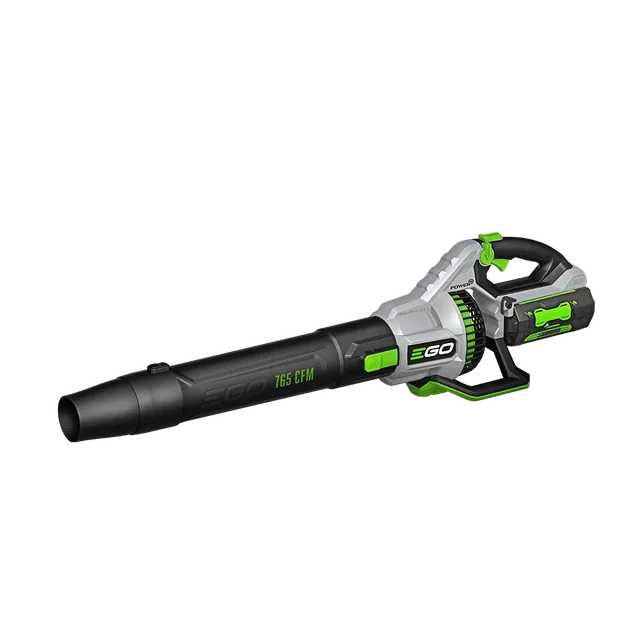
A leaf rake suits small lawns, planting edges and wet material that needs lifting. A blower is useful for gathering loose leaves across suitable open surfaces, while a collection tool or bag handles the final transfer. Pick the tool for that stage of the work instead of blowing the same pile around the yard.
Before switching a blower to vacuum or shredding mode, establish that the exact machine supports the material and configuration. Keep stones, sticks and litter out of a mower or collection intake. A finished cleanup leaves open turf, usable paths and intentionally placed leaf cover in beds, without requiring every planted area to look bare.
Compare leaf blower types · Find the related fall and winter yard jobs
Common questions
Can I leave all the fallen leaves on my lawn?
A light covering can be mulched into small pieces. Remove a dense layer that hides the grass or remains as a wet mat. Move the surplus into beds, compost or the appropriate yard-debris collection.
Should leaves in flower beds be shredded?
Shredded leaves are less likely to mat and can allow spring growth through more easily. Whole leaves in a suitable undisturbed area retain more of their value as insect shelter. Keep either arrangement from burying small plants.
Can I mow wet leaves after rain?
Wait for drier leaves and firm ground when possible. A soaked mat may need lifting and collecting, while mower traffic on saturated ground can create ruts and compaction. Follow the mower’s operating restrictions.
Do mulched leaves replace lawn fertilizer?
Decomposing leaves return nutrients and organic matter, but they are not a measured fertilizer dose. Base any feeding on the grass type, growing conditions and appropriate local guidance rather than the amount of leaves on the lawn.
Manuals & sources
Updated 2026-11-25.
- UMN Extension: Fall leaf mulching is good for your lawn
- UMN Extension: Leave the leaves, a smarter approach to fall cleanup
- OSU Extension: Should I leave fallen leaves in my flower beds?
- Purdue Extension: Winter Lawn Care Tips
- OSU Extension: Soil, the dirty secrets of a living landscape
- University of Nebraska: Avoid Traffic on Frozen Turf