
Garden Weasel · Lawn Edgers
Garden Weasel 91714-3 Edger-Chopper
Our take
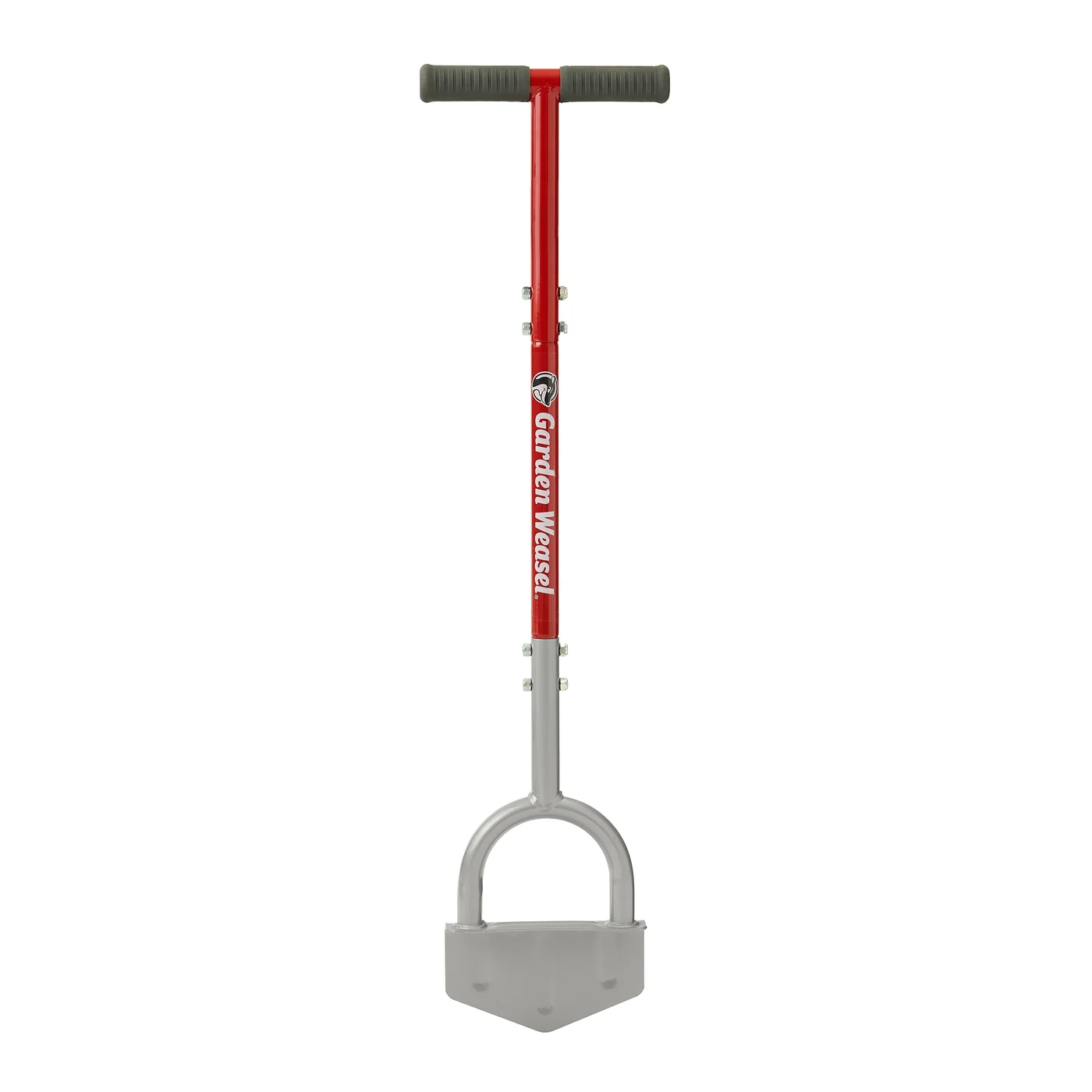
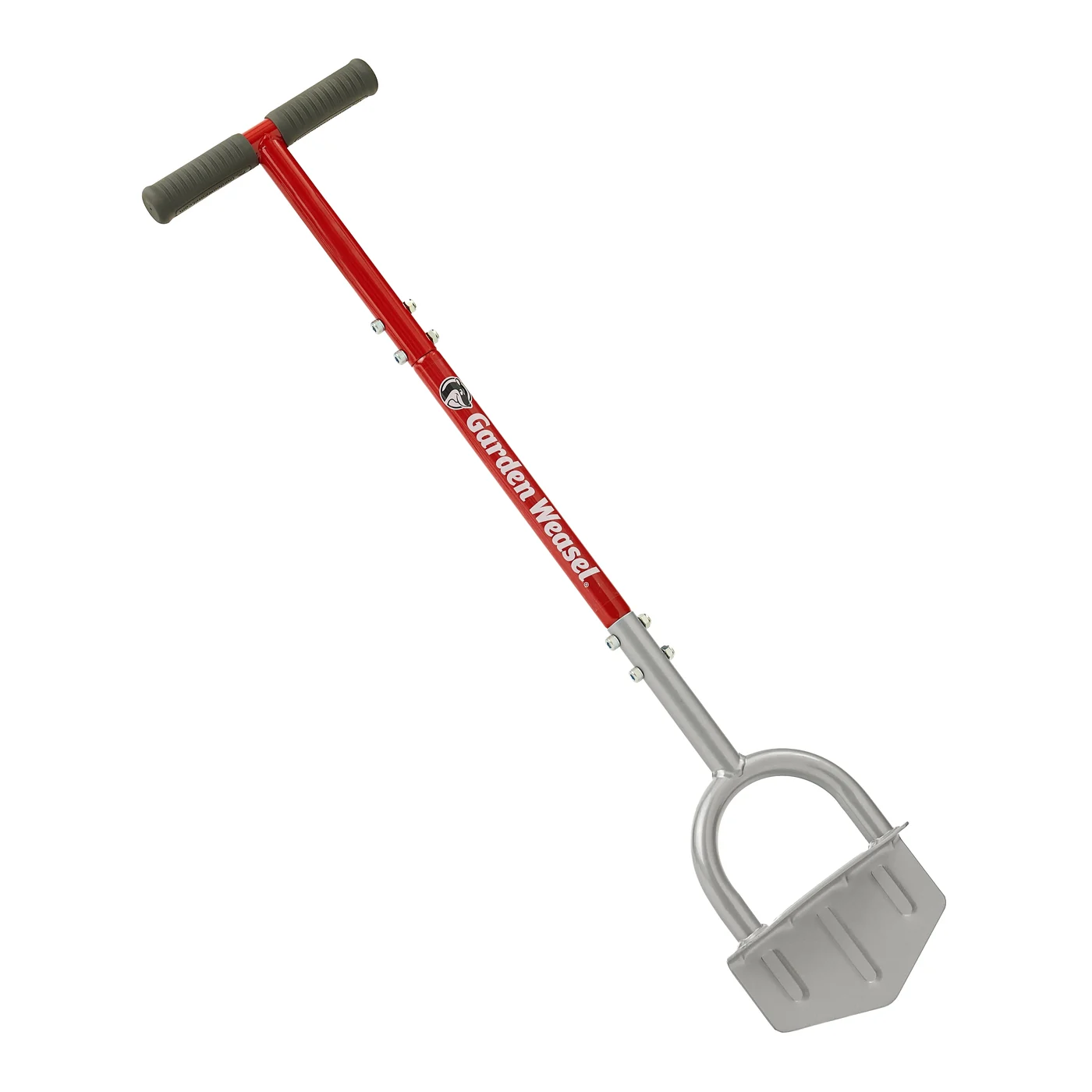
The Garden Weasel Edger-Chopper is a manual foot-powered blade for defining a lawn or bed edge without a motor. The selected 91714-3 package supplies the eight-inch steel blade, long T-handle and footplate in a multi-piece assembly. Choose it for occasional borders, short paths and deliberate edge cuts where stopping at each section is manageable. A powered edger is a different proposition for long repeated runs. The blade makes the cut, but you still have to remove the loosened strip and manage the soil or turf beside it.
In this review
- Selected model
- 91714-3
- Cutting format
- Manual Edger-Chopper
- Blade width
- 8 in
- Blade material
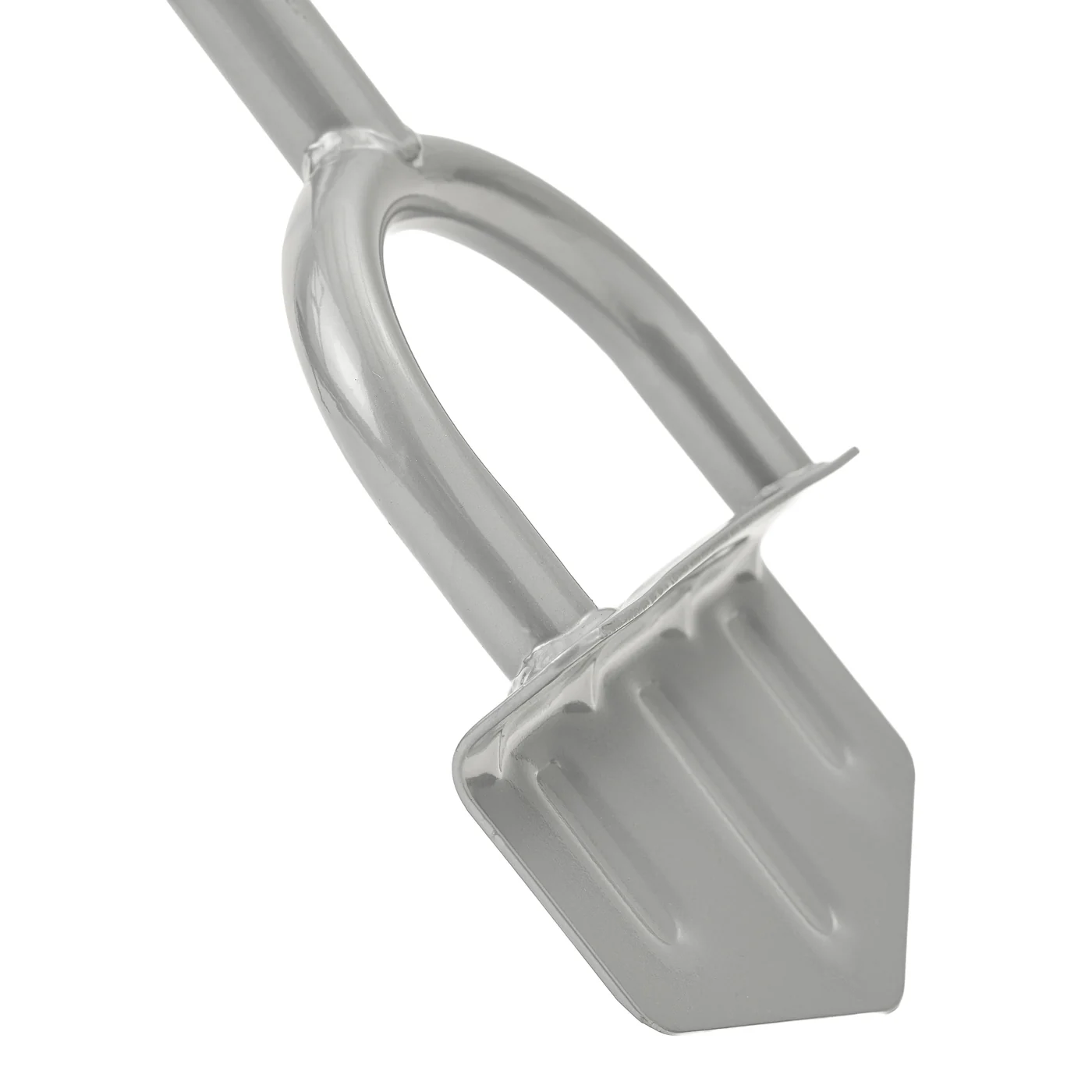
- Tempered carbon steel
A good fit for
Gardeners defining short lawn and bed borders with a manual foot-powered edge cutter rather than a motorized edger.
Reasons to keep looking
Long commercial-style edging runs, thick structural roots, or a tool that automatically removes and carries away the cut turf.
Specifications
- Selected model
- 91714-3
- Cutting format
- Manual Edger-Chopper
- Blade width
- 8 in
- Blade material
- Tempered carbon steel
- Handle style
- T-handle
- Leverage
- Extra-wide slip-resistant footplate
- Assembled height
- 38 in, as specified in selected listing
- Delivery format
- Multi-piece assembly
What’s included
- Selected assembly. Edger-Chopper components with handle, footplate and cutting blade
- Separate tools. No motor, battery or turf collection equipment is included
Related equipment and guides
Compare the formats and model choices in trimmers & edgers.
Choose it for a border that can be cut in sections
The Edger-Chopper works by placing its blade at the intended edge and pressing it into the ground with the footplate. That gives a deliberate sectional approach to a flower-bed curve or a short lawn edge beside paving. It is a useful format when the route does not justify getting out a powered edger. For a long driveway cut repeatedly through the season, the same stop-and-press sequence may become the larger part of the job. Measure the run and think about the number of placements, not just whether the blade can cut the turf.
The eight-inch blade makes a defined line
The tempered steel blade is eight inches wide. Repositioning it along a marked curve can create the edge, while overlapping placements help avoid leaving uncut sections. Choose the route before starting, especially where a curved bed meets an existing straight pavement edge. The blade width describes each placement; it does not establish a trench width, cut depth or installation specification for an underground service. For planned edging material, the material’s installation requirements should determine the excavation rather than assuming the blade alone creates the finished channel.
Cutting and removing turf are separate jobs
After making the vertical cut, a strip of turf or unwanted growth may still have to be lifted and moved. Keep a suitable digging tool and somewhere for the material to go in the work plan. An edge cutter does not collect debris the way a mower bag does, and it does not automatically leave a clear trench after one press. This is a useful distinction when comparing manual edging with a product image showing a finished border. The tool supplies the cutting action; completing the border depends on what remains on either side.
The footplate needs a stable working position
The extra-wide footplate provides a place to apply downward pressure while the T-handle controls position. Stand on stable ground with enough room to keep the blade aligned. Do not use the long handle to wrench sideways against an obstruction or treat it as a root-breaking lever. Rocks and substantial woody roots can require a different tool. The manual format removes motor starting and cable management, but it still depends on suitable soil and a controlled foot placement for each cut. Avoid placing feet or hands in the path where the blade will enter.
Assemble the selected version for its working height
The 91714-3 listing describes a multi-piece delivery and an assembled height of 38 inches. Put the complete handle and blade assembly together before judging the working fit. Short shipping dimensions are not the length of the assembled tool. Compare the T-handle position with the border you will cut and the place the tool will be stored. If your job is simply trimming grass that has flopped over a sound edge, cutting a new line through the soil can be unnecessary; a suitable trimmer can serve that different maintenance task.
Care, storage & ownership
After edging
Remove soil from the blade and footplate, dry the tool and inspect the assembled connections. Store it with the cutting edge protected and the long handle supported so it cannot fall across a walkway.
Model comparison
Scroll across to compare the documented details.
| Model | Garden Weasel 91714-3 Edger-Chopper | BLACK+DECKER LE760FF electric edger and trencher | WORX WG896 electric edger and trencher |
|---|---|---|---|
| Documented details |
|
|
|
| Reason to consider it | Gardeners defining short lawn and bed borders with a manual foot-powered edge cutter rather than a motorized edger. | Choose BLACK+DECKER LE760FF for powered edging and trenching when a long route justifies a motorized tool. | Compare WORX WG896 for corded powered edging rather than repeated foot-powered placements. |
Common questions
Does it need a battery or outlet?
No. It is a manual foot-powered edge cutter.
How wide is the cutting blade?
The selected model has an eight-inch tempered steel blade.
Does it arrive in one piece?
The selected 91714-3 listing describes a multi-piece assembly.
What is the assembled height?
The selected listing specifies 38 inches. Do not use shipping-box dimensions as the working height.
Will it remove the cut turf automatically?
No. Cutting the edge and lifting or disposing of loosened turf are separate tasks.
Model details, manuals & sources
- Full model
- Garden Weasel 91714-3 Edger-Chopper
- Amazon ASIN
- B0GD2ZYX81
Updated 2026-11-25.
Similar products
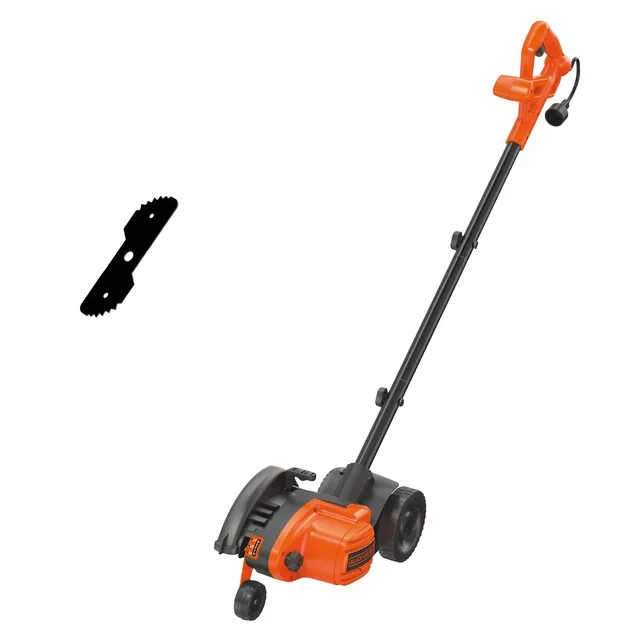
BLACK+DECKER LE760FF electric edger and trencher
Choose BLACK+DECKER LE760FF for powered edging and trenching when a long route justifies a motorized tool.
Explore this alternative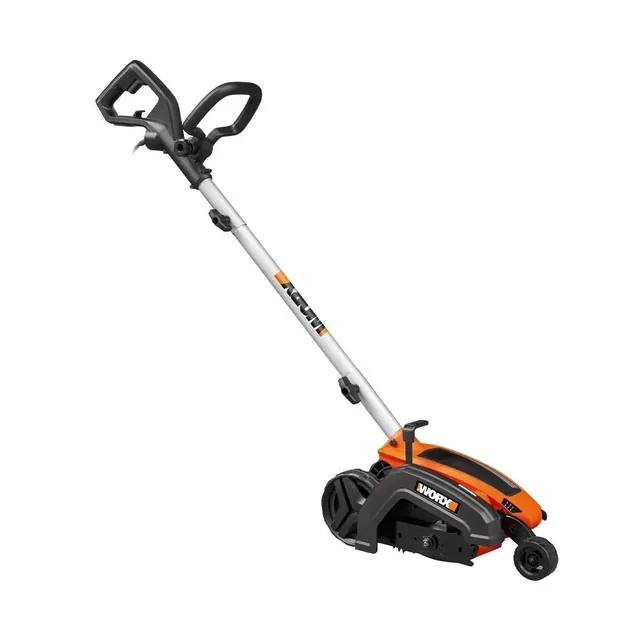
WORX WG896 electric edger and trencher
Compare WORX WG896 for corded powered edging rather than repeated foot-powered placements.
Explore this alternative