Picture the tidy-up after mowing
The mower has finished, but there is grass beside the fence, around the tree, and along the edge of the path. Those little jobs are a good way to begin a trimmer search. Mark the places where you need reach, close control, or a change of working position. Separate regular grass trimming from thicker vegetation and any woody material. That distinction gives the manufacturer's intended-use description a real purpose. It also keeps a familiar-looking tool from being chosen for a job outside its approved scope. If your main task is a lawn edge, look closely at the features that help you work there, rather than getting distracted by a clearing job you do not have.
Spend time on adjustment and the complete weight
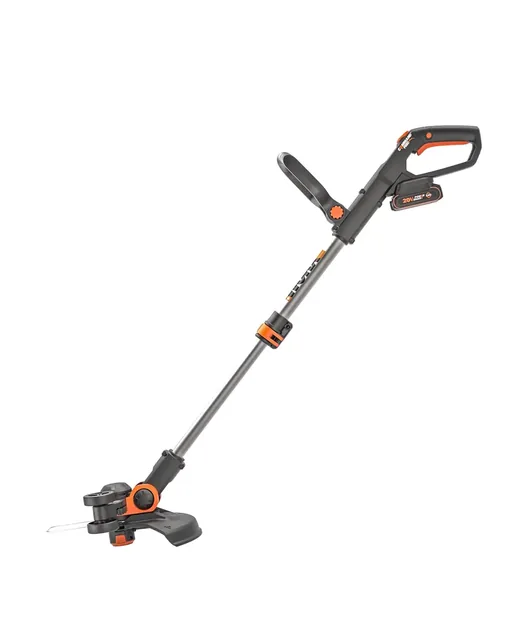
A telescoping shaft, an adjustable handle, or a pivoting head can be useful when the lawn has several awkward spots or more than one person will use the tool. The WORX WG163, for example, has a documented telescoping shaft and 90-degree head adjustment. Those are good details to investigate for the working positions you have in mind. Check whether a listed weight includes the battery or fuel, then think about the whole route. Grip shape and balance are personal, so an opportunity to handle a tool and a clear return policy can be helpful. A specification sheet can narrow the choice; it cannot tell every gardener how a particular grip will feel.
Read the line-loading instructions before you need them
Line feed is one of the features you will meet again after the first purchase excitement has worn off. Look up how the exact head advances line and how a refill is installed. Compare the approved line diameter, spool or head type, replacement availability, and the parts you need to keep on hand. The WG163's push-button CommandFeed is one example of a documented feed arrangement; other models use different methods. I would favor a system whose instructions make sense to me over an unexplained feature name. The right choice is one you are comfortable maintaining, with the approved consumables readily identifiable.
Decide how edging fits into the job
A tool described as a trimmer and edger deserves a look at the conversion itself. Read how the head changes position, whether wheels or other parts are involved, and which borders the manufacturer approves it for. A dedicated edger brings its own controls and setup. Compare those steps with your path edge and the frequency of the task. Tool names such as weed eater and weed whacker are common ways people describe string trimmers; the useful differences are in the model's cutting arrangement, adjustments, and intended work. Follow the documented configuration rather than fitting an attachment simply because the connection looks familiar.
Build a sensible power-and-cleanup setup
A cordless trimmer and blower can make an appealing pair for the final lap around the yard. Read the exact battery count, capacities, and charger in a combo kit, then think about the jobs in sequence. Existing compatible tools can make a bare-tool purchase attractive. A corded model calls for a suitable outlet and prescribed cable route; a gas model adds the specified fuel and engine-care routine. Finish the plan with the protective equipment and operating clearances required by the manual. When you order, match the model, head, line system, and included kit so the setup arrives ready for the work you chose it for.
Common buying questions
Are a weed whacker and string trimmer the same kind of tool?
Those names are commonly used for a string trimmer. Compare the exact model's cutting system and approved uses to understand what a listing covers.
What would you look at first for routine lawn edges?
I would start with adjustment, control, complete working weight, and a line-loading system I could understand. The power package should suit the route and the tools already in the shed.
Can I add a metal blade when the weeds get tougher?
Use only the cutting attachments and guards explicitly approved for the exact tool. If the job changes, reassess the suitable tool through the manufacturer guidance.
Put the plan to work in your garden
Put the useful measurements beside the features you want, then save a few models to compare. Choose the setup that fits the whole job, from bringing the tool out to putting it away.
Explore the tool shed to put your shortlist together.
Manuals & sources
Reviewed 2026-10-30. Editorial standards.