
Garden Weasel · Hoes & Hand Cultivators
Garden Weasel 91334-3 Claw Pro adjustable cultivator
Our take
The Garden Weasel Claw Pro is a standing twist cultivator with three tine-width settings: 7.5, 5.5 and three inches. It suits gardeners loosening workable soil in both open bed space and narrower gaps, using the same tool rather than a powered tiller. The adjustable spread is the reason to choose this version. It still needs turning room for the handle, and the tines should not be driven blindly through roots you want to keep. Choose it for small-area cultivation and weeding, with a separate tool for rocks, large roots or full-bed reconstruction.
In this review
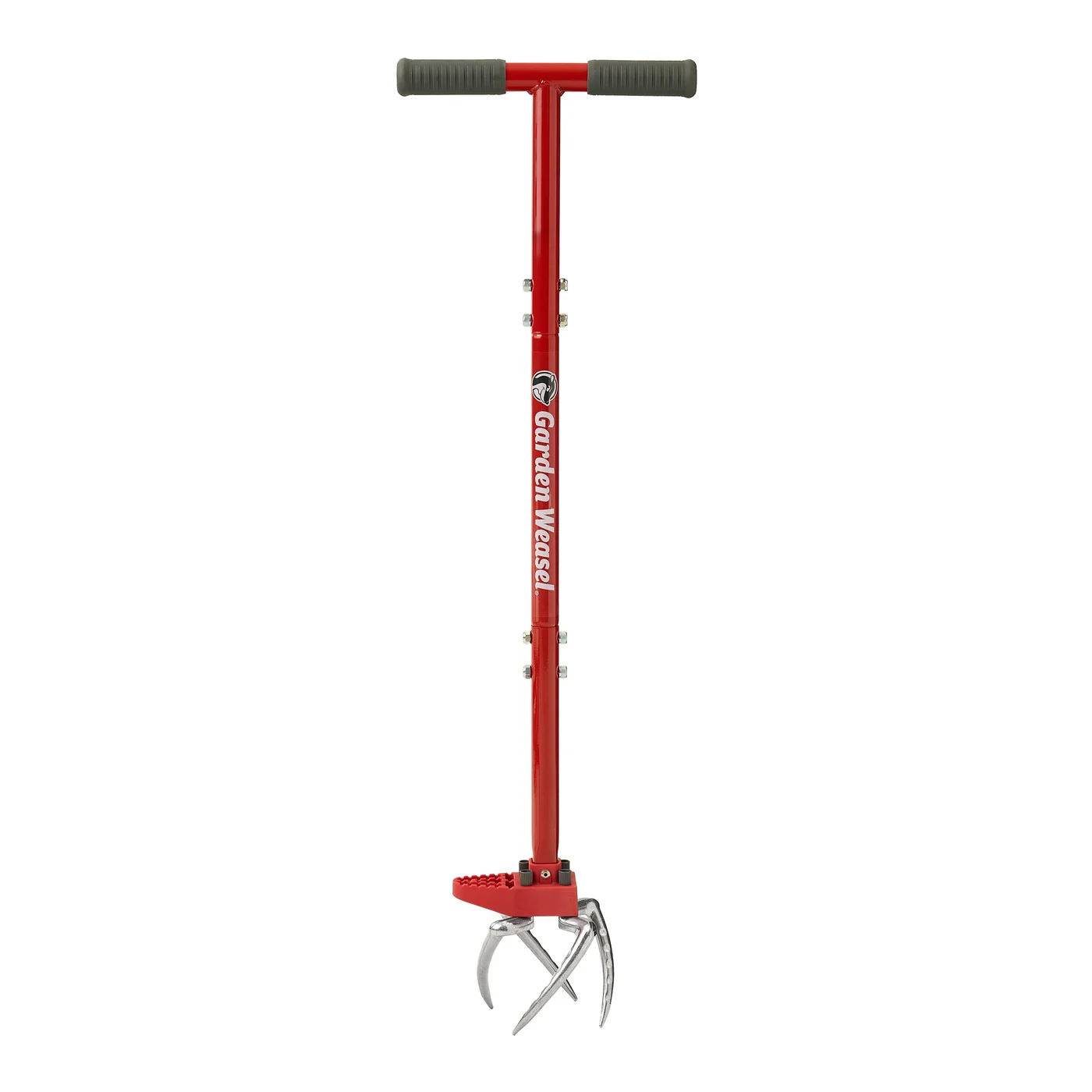
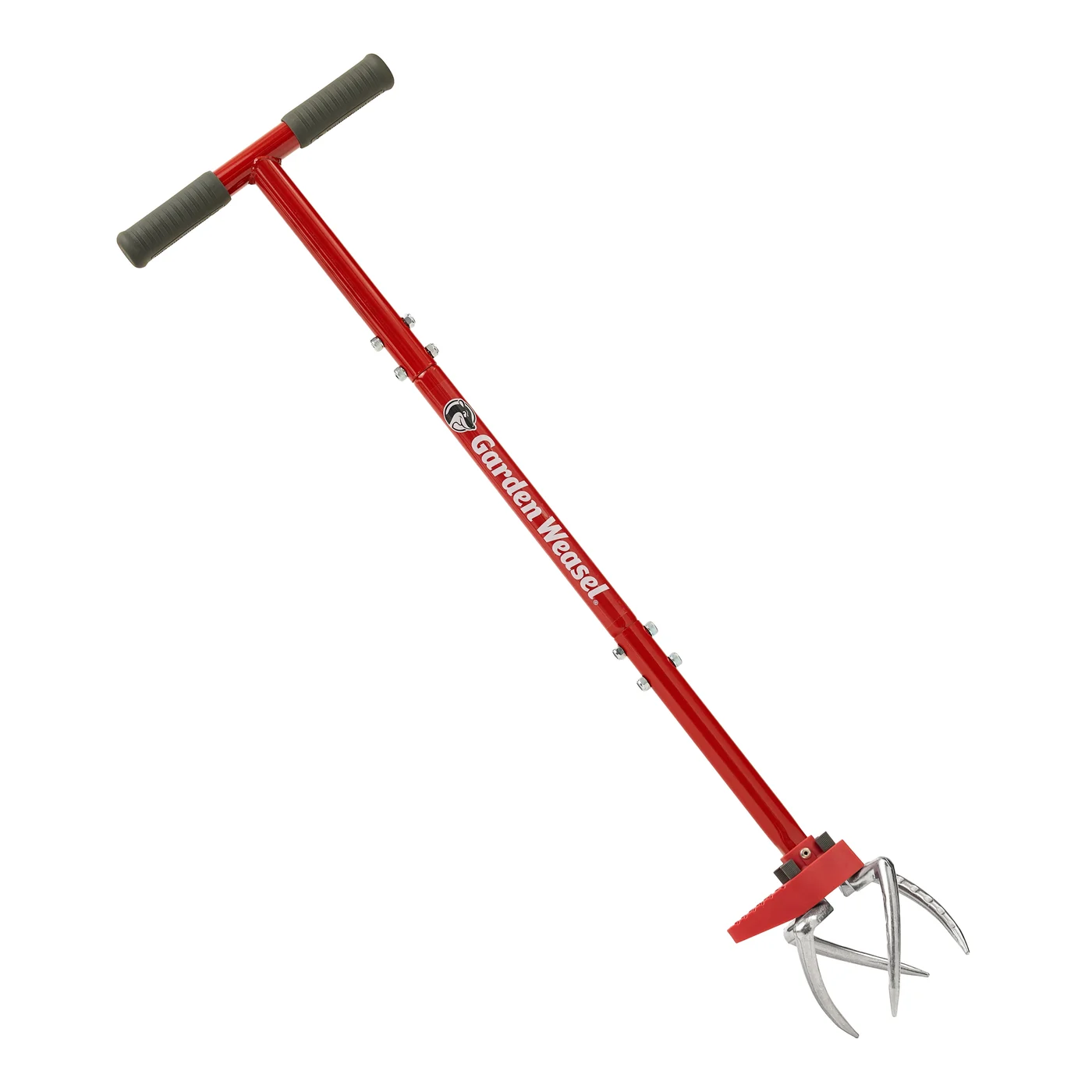
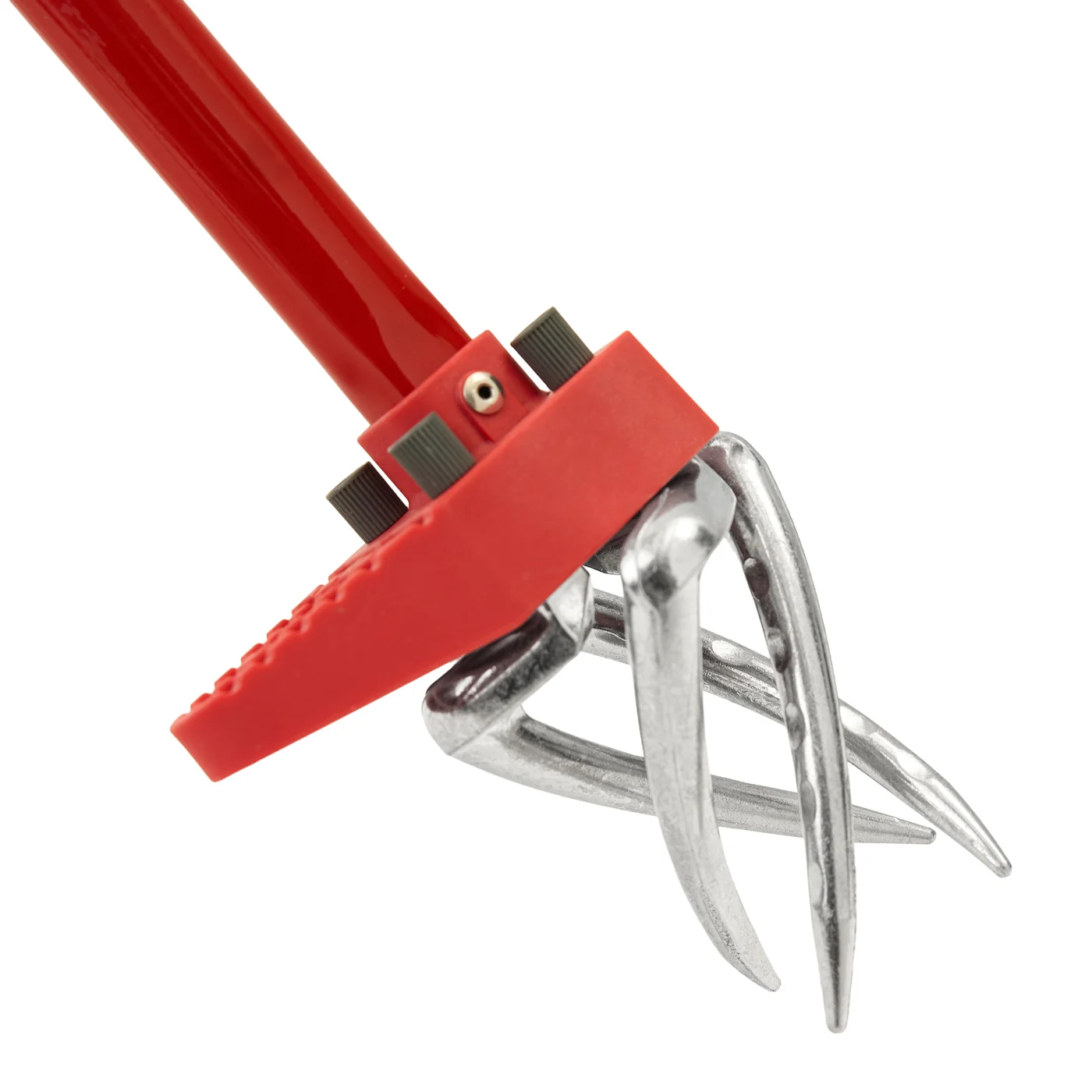
- Selected model
- 91334-3
- Cultivation action
- Manual twisting
- Tine-width settings
- 7.5, 5.5 and 3 in
- Leverage
- Slip-resistant footplate
A good fit for
Gardeners cultivating small bed sections and wanting adjustable tine spread for both open patches and narrower spaces.
Reasons to keep looking
Breaking a large untouched plot, levering rocks, deep structural digging or working tightly against established roots that must remain undisturbed.
Specifications
- Selected model
- 91334-3
- Cultivation action
- Manual twisting
- Tine-width settings
- 7.5, 5.5 and 3 in
- Leverage
- Slip-resistant footplate
- Handle
- T-handle
- Frame
- Carbon steel as listed in selected features
- Delivery format
- Multi-piece assembly
- Power requirement
- None
What’s included
- Selected tool. Claw Pro components for the adjustable-tine cultivator assembly
- Separate equipment. No powered drive, soil collection or obstacle-removal tools included
Related equipment and guides
Compare the formats and model choices in digging & soil tools.
The adjustable spread is the useful difference
The Claw Pro offers three working widths: 7.5, 5.5 and three inches. That gives it a different role from a fixed broad twist cultivator. Use the wider setting for a clear section of bed and compare the narrower setting with the space between plants. Tine width is only the starting measurement. The handle still turns above the soil and the tines move through it, so the tool needs clearance throughout the action. A narrow setting does not make it suitable to cultivate directly through a valued plant’s root area.
Twisting loosens a local patch
The tool is pushed into suitable ground and turned to disturb a small area of soil. It is useful for local preparation and weeding where moving a powered machine into the space would be unnecessary. It is not a substitute for deep excavation or rebuilding an entire compacted plot. Think about how many placements the area will require. A few bed pockets can suit a manual twist tool; a broad first-time cultivation job may call for a different approach before planting. The footprint of the job matters as much as the number of advertised uses.
The footplate helps placement, not obstacle removal
The slip-resistant footplate provides a place to apply downward pressure before turning. If the tines meet a rock or a substantial woody root, stop and identify the obstruction rather than using the long handle to wrench against it. A cultivator’s twisting action differs from a digging fork lifting a large mass of ground. Keep the movement controlled and avoid trapping a foot beneath the working head. Where existing plants are close, a smaller hand cultivator can give a clearer view of exactly where each tine enters.
Choose an assembled fit rather than a box dimension
The selected 91334-3 package is supplied in multiple pieces. Complete the assembly and secure the connections before comparing the handle with your working posture. Short dimensions associated with compact shipping do not describe the finished standing tool. Consider how it will be moved through a gate or around a bench and where the exposed tine head will be stored. The manual design requires no battery or cable, but it still occupies a long-tool space and needs a clear place to be set down between bed sections.
A rotary cultivator does a different repeated motion
Garden Weasel’s rotary cultivator is a useful comparison for moving along a soil surface, whereas the Claw Pro concentrates a twist around each placement. A simpler Jardineer twist tiller offers another form to compare if one working spread covers the intended patch. Choose the Claw Pro when its adjustable widths will be used, rather than just because adjustability sounds versatile. For fine work immediately beside seedlings, keep a small hand cultivator in the kit. It can be a better fit than repeatedly reducing the spread of a standing tool in a crowded bed.
Care, storage & ownership
Cleaning and adjustments
Remove soil from the tines and adjustment points, clean and dry the tool, and inspect the selected width and handle connections before use. Store the tine head clear of a walking route and protect neighboring tools from its points.
Model comparison
Scroll across to compare the documented details.
| Model | Garden Weasel 91334-3 Claw Pro adjustable cultivator | Garden Weasel 90206 rotary cultivator | Jardineer manual twist tiller |
|---|---|---|---|
| Documented details |
|
|
|
| Reason to consider it | Gardeners cultivating small bed sections and wanting adjustable tine spread for both open patches and narrower spaces. | Choose Garden Weasel’s rotary cultivator when rolling along a surface suits the job better than repeated local twisting. | Compare Jardineer’s manual twist tiller when a simpler fixed working format suits the intended bed space. |
Common questions
What widths are available?
The selected Claw Pro lists 7.5-inch, 5.5-inch and 3-inch tine settings.
Is it a powered tiller?
No. You press and twist the tool manually.
Does it arrive assembled?
The selected 91334-3 listing describes a multi-piece delivery for assembly.
Can it work beside a seedling?
Use adequate clearance for the tines and the complete turning movement. A small hand cultivator is often more appropriate immediately beside delicate roots.
Is it designed to lever stones out?
No. Use a suitable digging or obstacle-removal tool rather than wrenching the cultivator against a rock.
Model details, manuals & sources
- Full model
- Garden Weasel 91334-3 Claw Pro adjustable cultivator
- Amazon ASIN
- B0GD2RG2VX
Updated 2026-11-25.
Similar products
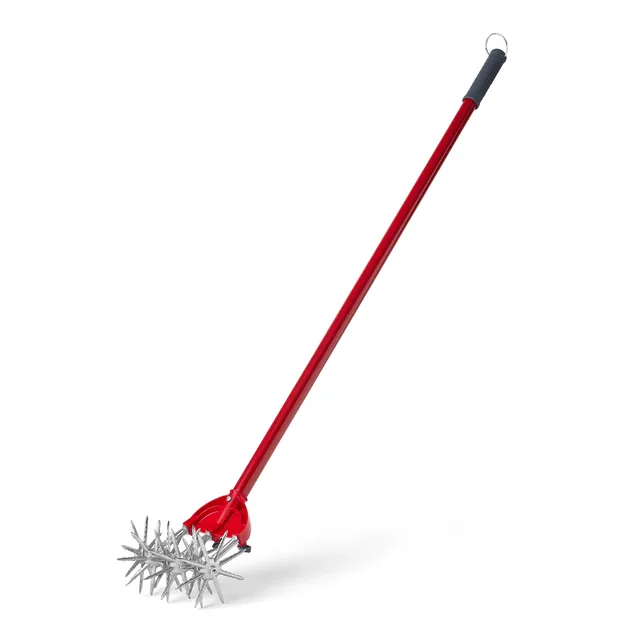
Garden Weasel 90206 rotary cultivator
Choose Garden Weasel’s rotary cultivator when rolling along a surface suits the job better than repeated local twisting.
Explore this alternative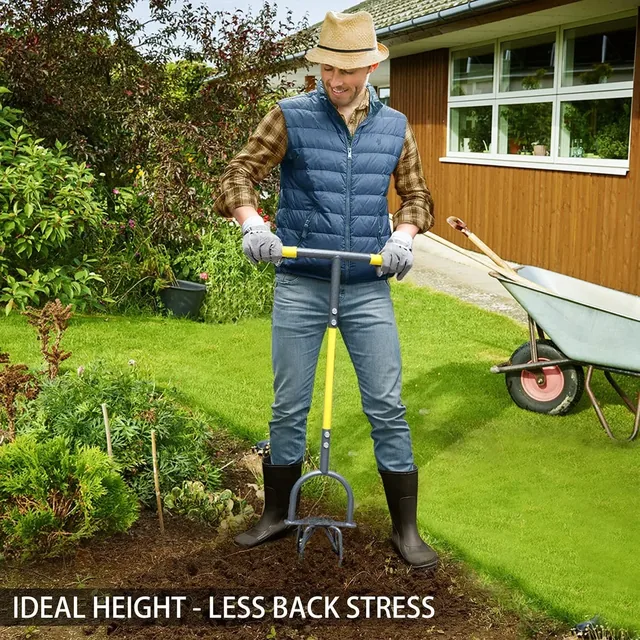
Jardineer manual twist tiller
Compare Jardineer’s manual twist tiller when a simpler fixed working format suits the intended bed space.
Explore this alternative