Give every tool a job before giving it a hook
A potting session, a new planting hole, a pile of loose compost, and a shrub that needs attention are four different invitations to open the shed. Write down the garden jobs you do regularly and the tools those jobs call for. That little exercise can reveal a useful purchase more clearly than a large bundle. A set can still be a lovely starting point when its pieces have distinct roles. The Fiskars three-piece set here groups a trowel, transplanter, and cultivator. Look at each shape and imagine where it would be used. If two tools would spend their time doing the same thing, there may be a more helpful gap to fill first.
Choose small digging tools around the planted space
Trowels are especially useful in containers and close planting areas, where blade width and length deserve a careful look. A broad shape and a narrower transplanter can serve different spaces. Check the grip dimensions and the connection between handle and working end. Gloves change the feel of a handle, so keep the pair you normally use in the picture. I would give a clear view of the construction more weight than an impressive material label on its own. For a tightly planted bed, the size of the gap may decide the best shape long before the finish or color does.
Separate opening soil from moving loose material
A shovel, spade, and fork can look like neighboring options in a shop while earning their places through different jobs. Read the intended use and look closely at blade or tine shape, handle length, and the head connection. Picture opening a planting hole, lifting soil, or shifting loose material from a pile. Compare full dimensions with your working height and the space around the bed. There is no need to choose the largest head simply because a big job is waiting. The tool still needs room for the movement described in its instructions and a practical place to be stored afterward.
Match cutting tools to the plants and the access
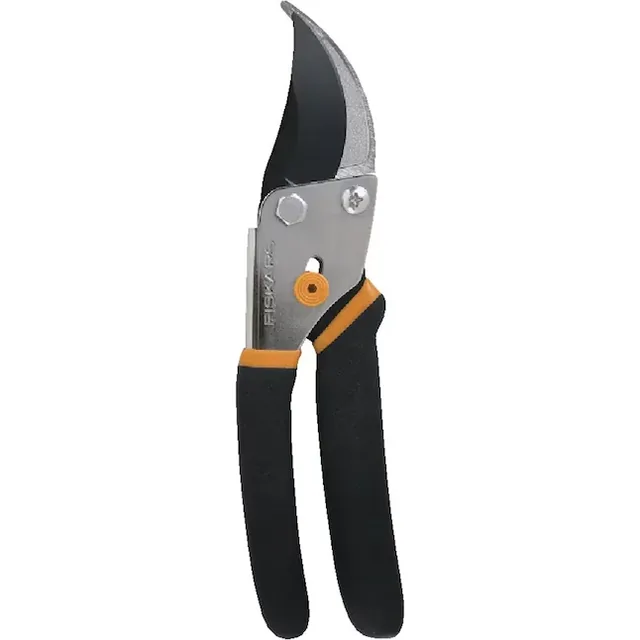
For pruning shears, loppers, and hedge shears, start with the intended material, documented capacity, and working position. A pair of loppers needs room to open its handles; hedge shears put blade length and arm position into the choice. Check the lock, grip, care instructions, and availability of approved replacement parts. A listed cutting capacity belongs beside the manufacturer's full use guidance. I would also look at how clearly the tool can be cleaned, maintained, and stored. A good buying decision should still make sense when the pruning is finished and the tool needs care.
Make the kit pleasant to put away
Gathering and weeding tools are worth adding around the spaces you care for. A leaf rake's head and tines serve a different role from a soil rake, and a stand-up weeder brings its own operating method and intended conditions. Measure the awkward gaps and the storage spots before adding more long handles. A rack is only useful if the tool heads, handles, and available clearance agree with its design. Keep the care instructions for the tools you choose and give them a place where the next job can begin without a search. There is a particular satisfaction in a modest collection where every piece has a clear purpose.
Common buying questions
Is a large garden-tool bundle a good first purchase?
It can be, when the pieces cover jobs you need. Look at each tool's shape, dimensions, and role before deciding whether the bundle is a useful starting kit.
Would you buy a trowel and a transplanter together?
I would if the broad scoop and narrow planting shape suited different parts of the garden. The names alone matter less than the dimensions and work each tool will do.
Does a material label tell me how durable a tool will be?
Material is one detail alongside construction, intended use, joints, care, and replacement support. Look at that whole picture before drawing a durability conclusion.
Put the plan to work in your garden
Put the useful measurements beside the features you want, then save a few models to compare. Choose the setup that fits the whole job, from bringing the tool out to putting it away.
Explore the tool shed to put your shortlist together.