
ECOWITT · Soil Test Kits & Moisture Sensors
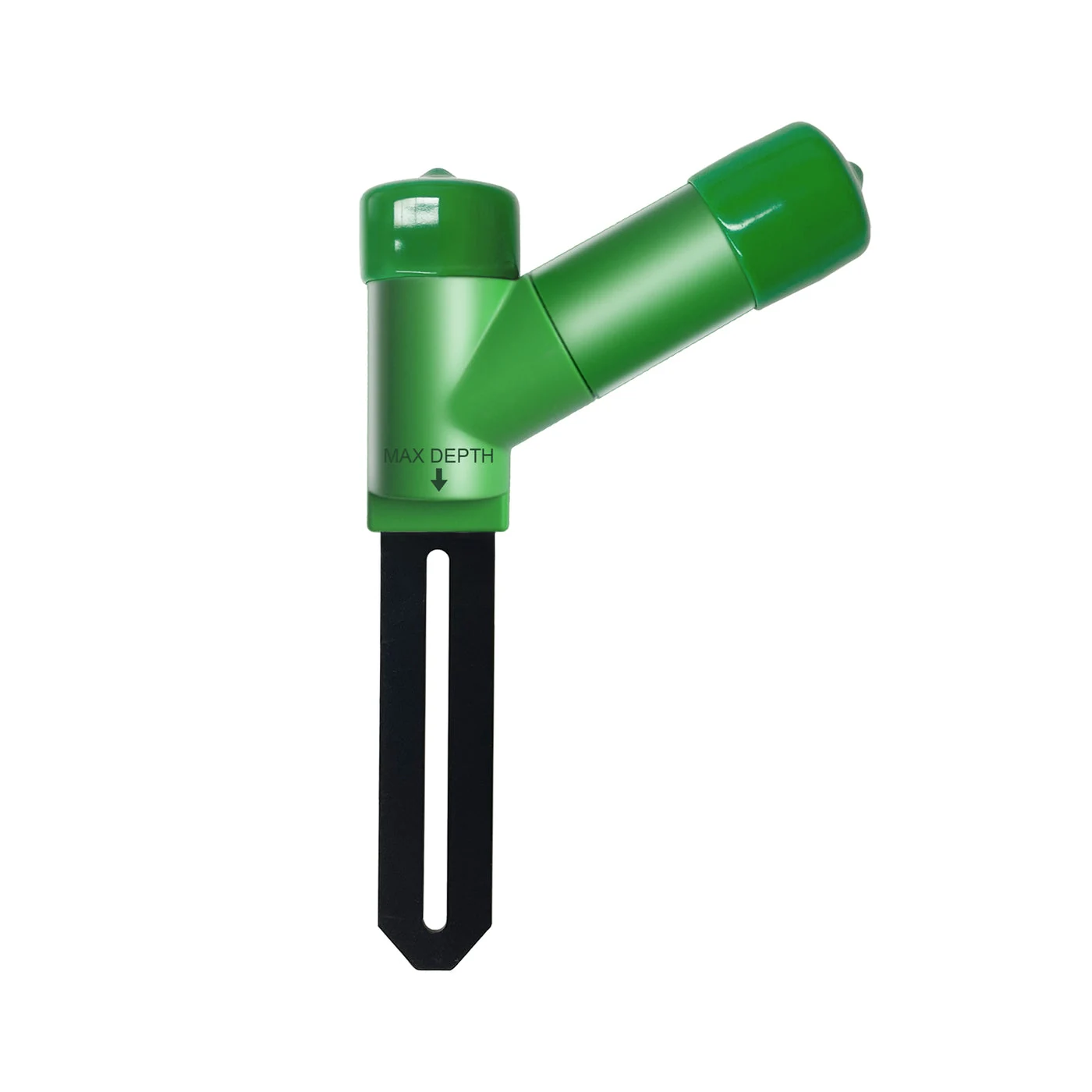
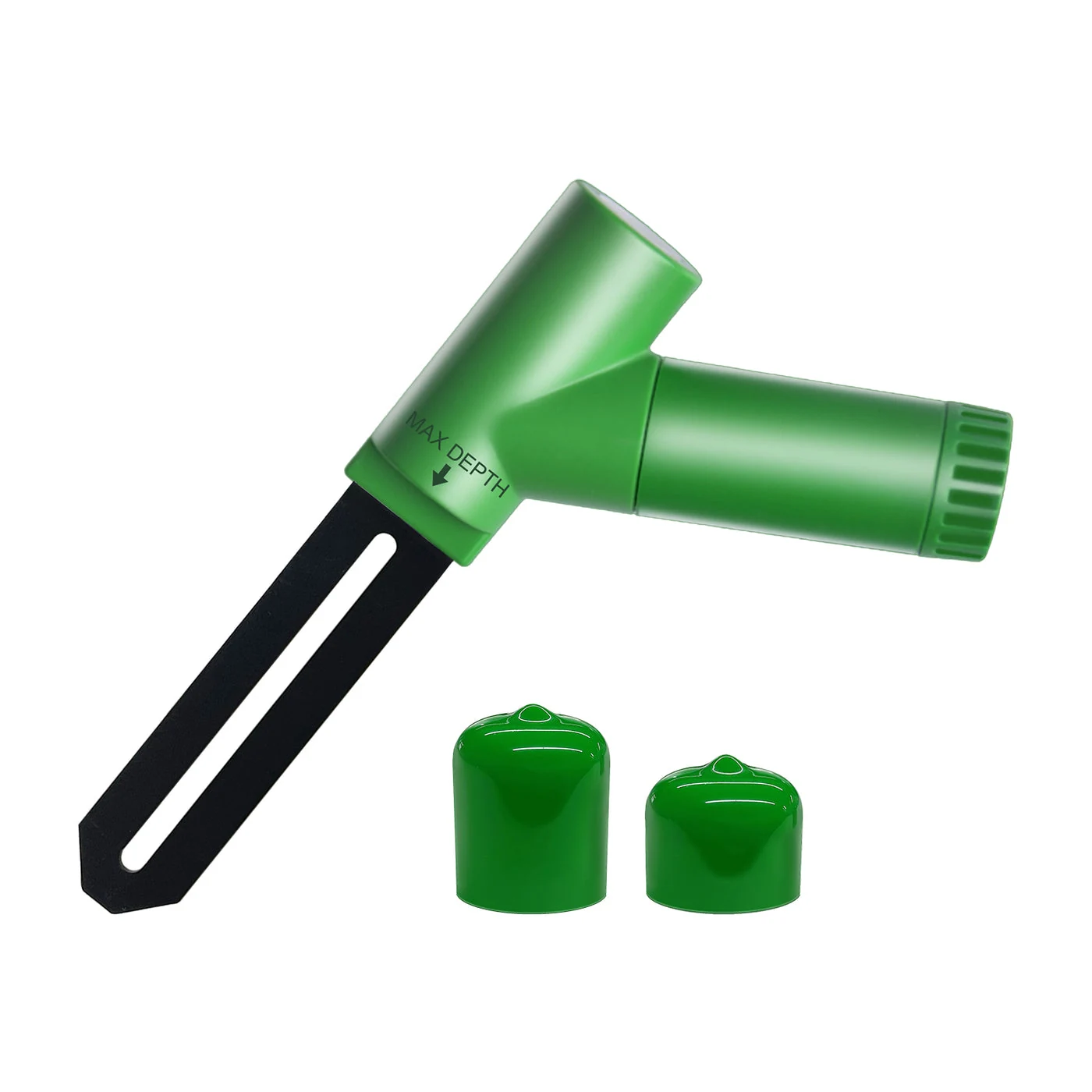
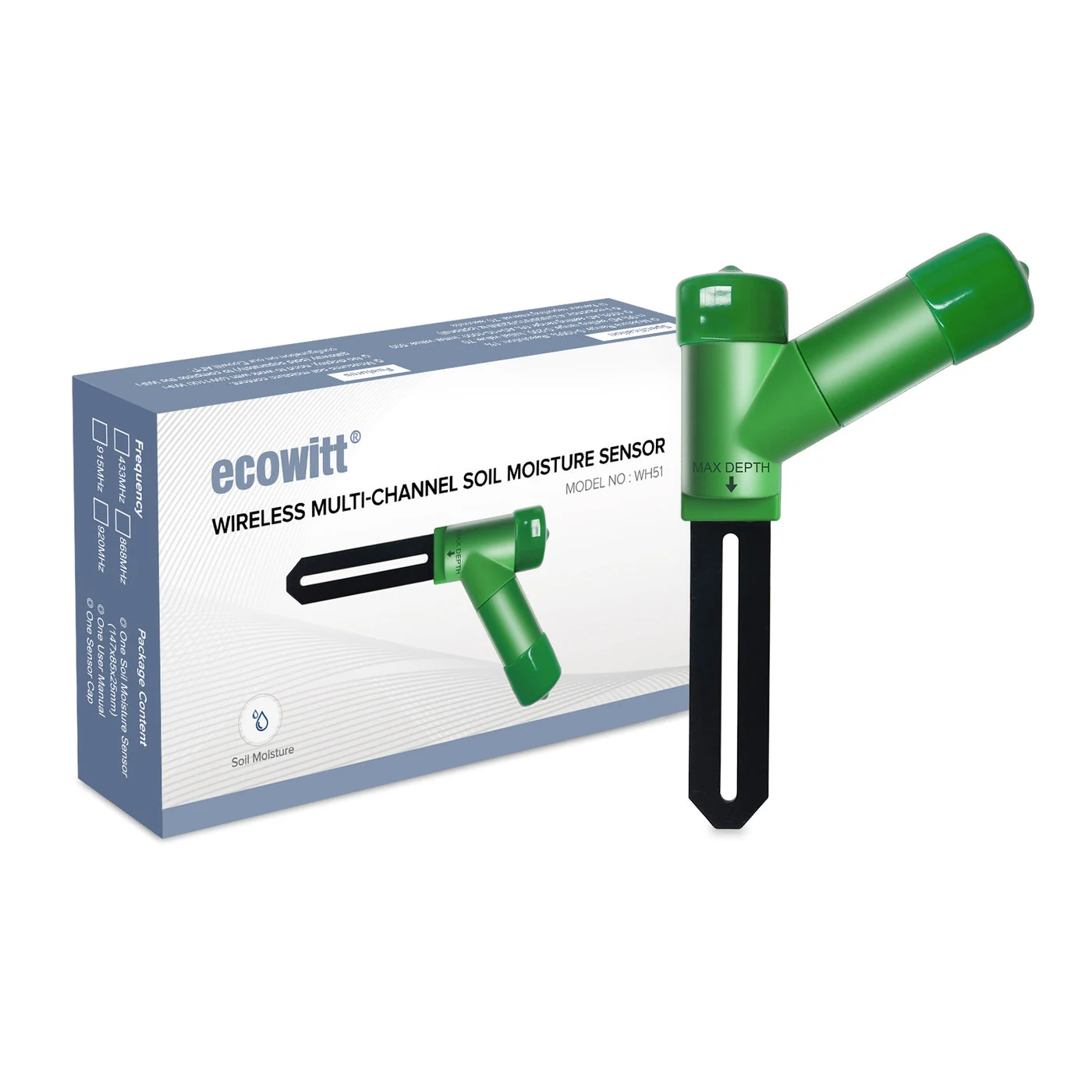
ECOWITT WH51 915MHz wireless soil moisture sensor
Our take
The WH51 makes sense when you already have a compatible ECOWITT receiver and want to follow wetting and drying in one growing area. The US sensor uses 915MHz and has no built-in readout. A matching gateway or supported console, plus an AA battery, belongs in the setup budget. Choose it for trends at the probe location, not nutrient testing or a universal percentage that applies to every soil.
In this review
- Model
- WH51
- US radio frequency
- 915MHz
- Included readout
- None
- Battery
- 1 AA, not included
A good fit for
An owner of a compatible 915MHz ECOWITT receiver who wants repeat moisture observations in one bed, pot or lawn location.
Reasons to keep looking
A standalone display-free purchase without a receiver, or a shopper needing pH or nutrient analysis.
Specifications
- Model
- WH51
Do not confuse it with the separate-probe WH51L.
- US radio frequency
- 915MHz
Sensor and receiver must use the same regional frequency.
- Included readout
- None
A compatible receiver is required.
- Battery
- 1 AA, not included
Check the current instructions for installation.
- Published update interval
- 70 seconds
Radio updates are not continuous laboratory measurements.
- Sensor scope
- Soil moisture
Not pH, nutrient content or an automatic irrigation controller.
- Outdoor protection
- IP66
Follow installation limits; this is not permission to submerge it.
- Calibration
- Custom low/high AD settings
Soil-specific calibration and consistent placement matter.
What’s included
- Sensor. One WH51 soil-moisture sensor for the selected US-frequency listing.
- Receiver. A compatible matching-frequency ECOWITT gateway or supported console is separate.
- Power. One AA battery is required and not included in the manufacturer’s listed specification.
Choose the setup around this tool
Compare the formats and model choices in lawn & soil care.
Buy the receiver connection before buying the sensor
The WH51 does not show a reading on its body and does not connect directly to a phone by itself. A supported receiver is the missing piece in a standalone purchase. ECOWITT lists gateways including GW1100 and GW2000, with further current compatibility information on its product page.
For a US setup, verify 915MHz on both the sensor and receiver. A familiar model name with a European 868MHz or another regional 433MHz radio is not enough. If you own a display console rather than a gateway, check that exact console in ECOWITT’s compatibility information before ordering.
Use one sensor to describe one location
A probe beside a shaded shrub and a probe in a sunny raised bed may dry at different rates. One reading cannot describe both. Put the sensor in soil representative of the area whose watering you want to understand, and keep the placement consistent while comparing days.
A useful first exercise is to watch the reading before watering, after water has moved into the soil, and during the following drying period. Compare it with the plant, soil and drainage conditions you can observe. That creates a record of that location instead of chasing a single percentage for the whole garden.
Calibration is part of interpreting the number
ECOWITT provides custom low and high AD calibration settings. The displayed moisture scale depends on that interpretation of the sensor response and the soil around the probe. A percentage from one growing medium should not be treated as a universal watering threshold for another.
Keep calibration notes with the location. If you change the soil mix, move the sensor or substantially change installation depth, reassess the reading before comparing it directly with the old record. This review has not measured laboratory accuracy or derived a plant-specific watering trigger.
Plan several sensors around management zones
The current manufacturer page lists support for up to 16 WH51/WH51L sensors on specified gateway arrangements, while older Amazon material still describes eight channels. Check the exact receiver model and firmware instead of treating either number as universal for every ECOWITT console.
Begin with the zones you will water differently. A sunny pot grouping and a shaded border may justify separate observations; several nearby pots with different media can also behave differently. Label each sensor and receiver channel so a useful trend does not become a mystery number in the app.
Moisture monitoring does not close an irrigation valve
The WH51 supplies observations to a compatible ECOWITT system. By itself it is not a hose timer, irrigation valve or autonomous watering controller. If you want automatic watering changes, investigate the complete supported control system and its failure behavior separately.
It also does not replace a nutrient or pH test. A bed can show moisture while still needing a different fertility investigation. Match the sensor’s narrow job to the question you need answered before expanding the system.
Care, storage & ownership
Installation
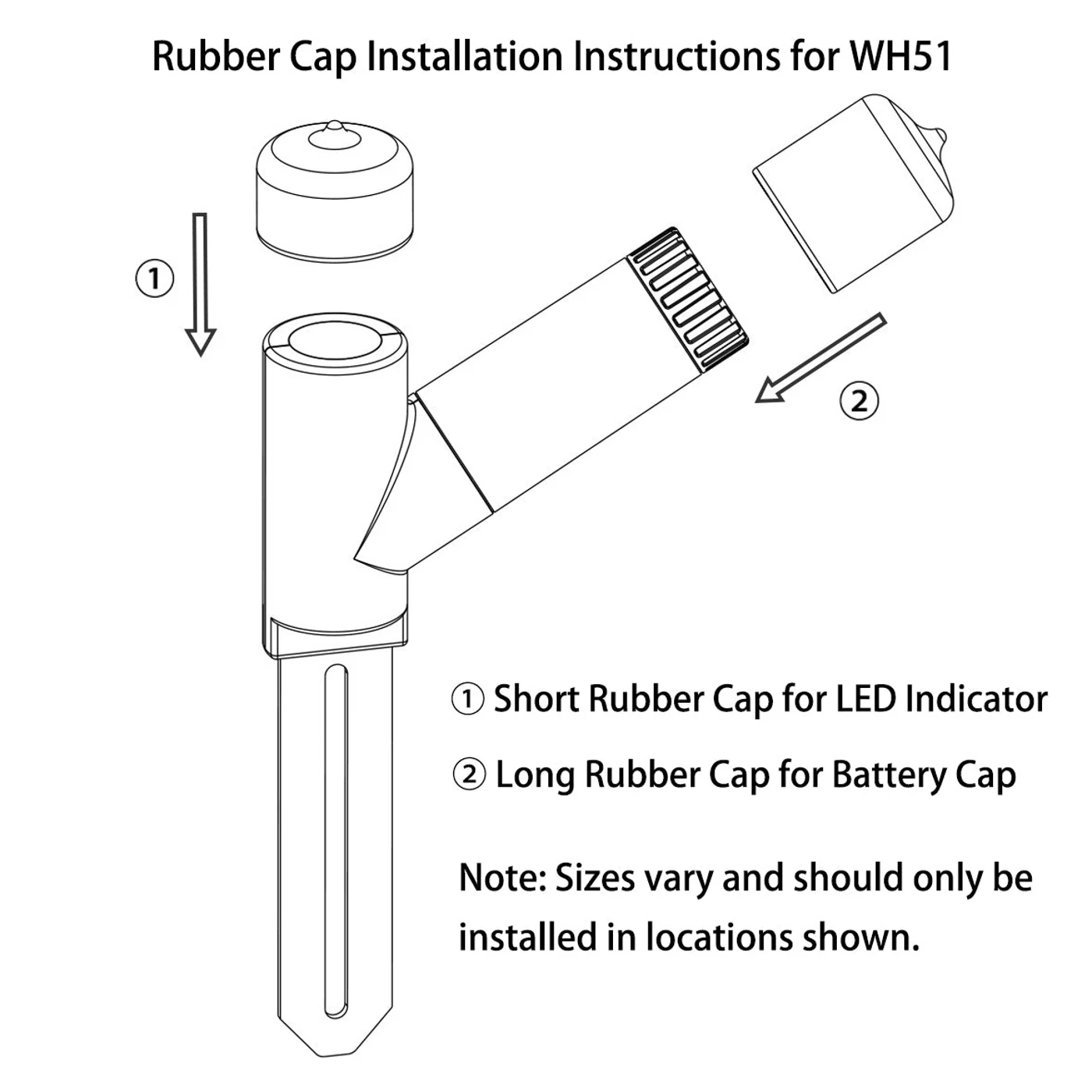
Follow the WH51 instructions, avoid forcing the probe into stones or hard ground, and keep the transmitter in the permitted position. Outdoor protection does not make the sensor suitable for immersion.
Maintenance record
Keep the frequency, receiver model, channel, battery-change date and calibration settings together. If a reading stops updating, check power and receiver reception before treating stale data as current moisture.
What changes with another choice
Scroll across to compare the documented details.
| Model | ECOWITT WH51 915MHz wireless soil moisture sensor | MySoil mail-in soil test kit, one test | Luster Leaf 1601 Rapitest® Soil Test Kit |
|---|---|---|---|
| Documented details |
|
|
|
| Reason to consider it | An owner of a compatible 915MHz ECOWITT receiver who wants repeat moisture observations in one bed, pot or lawn location. | MySoil provides a mail-in nutrient/pH report when the question is amendment choice rather than moisture trends. | Compare the Rapitest kit for a different soil-testing question; it is not a wireless replacement for WH51 monitoring. |
Common questions
Can WH51 work by itself?
No. It has no local readout and needs a compatible ECOWITT receiver or supported console. The gateway is a separate purchase.
Which frequency should a US buyer choose?
The selected US setup uses 915MHz. The sensor and receiver must use the same frequency; regional variants are not interchangeable.
Does the WH51 measure pH?
No. Its stated task is soil-moisture monitoring. Nutrient and pH analysis need a different test.
How many sensors can I connect?
Capacity depends on the receiver and firmware. The current manufacturer page lists up to 16 WH51/WH51L channels on specified gateways; older listing material says eight. Verify your exact receiver.
Model details, manuals & sources
- Full model
- ECOWITT WH51 915MHz wireless soil moisture sensor
- Amazon ASIN
- B07JM621R3
Updated 2026-11-19. Editorial standards.
Related tools and kits

MySoil mail-in soil test kit, one test
MySoil provides a mail-in nutrient/pH report when the question is amendment choice rather than moisture trends.
Explore this option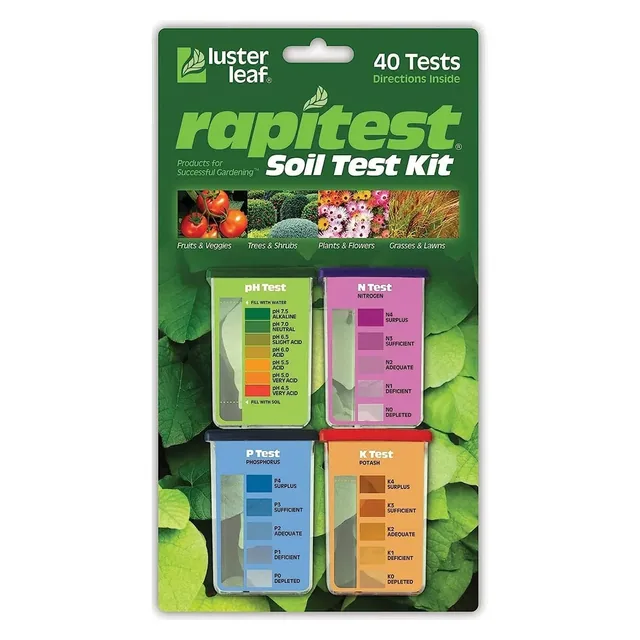
Luster Leaf 1601 Rapitest® Soil Test Kit
Compare the Rapitest kit for a different soil-testing question; it is not a wireless replacement for WH51 monitoring.
Explore this option