
Ladbrooke · Seed Starting
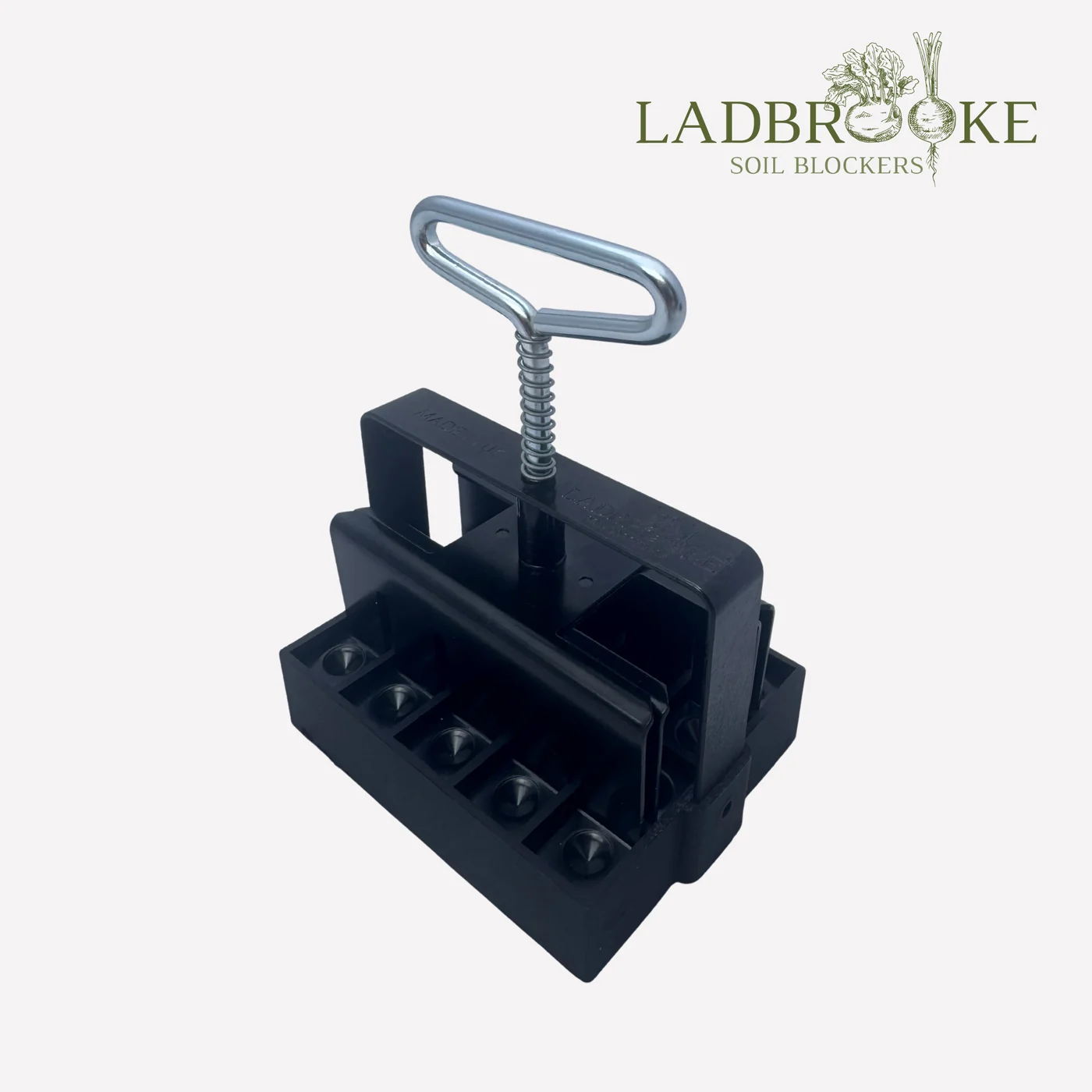
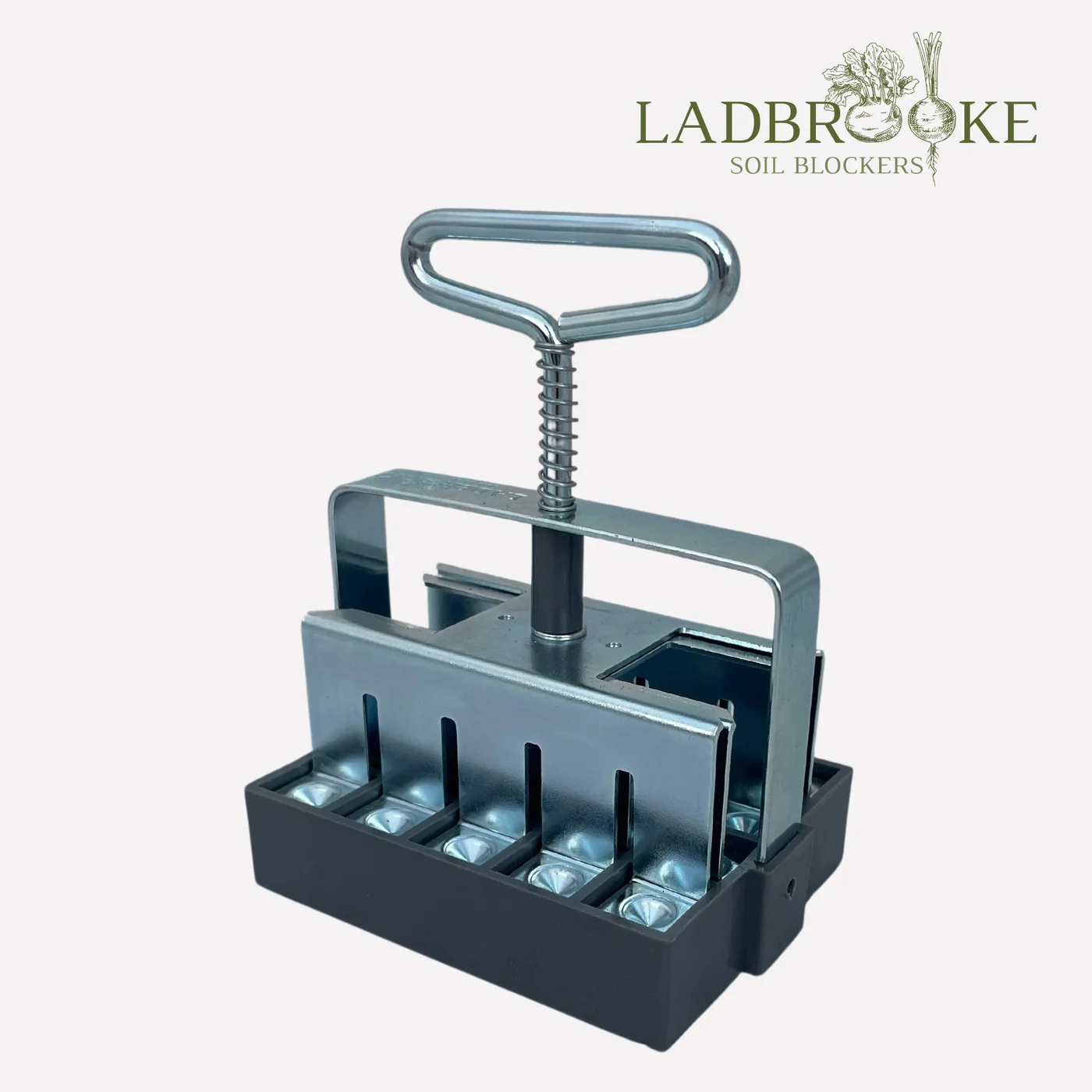
Ladbrooke Micro 20 three-quarter-inch soil blocker
Our take
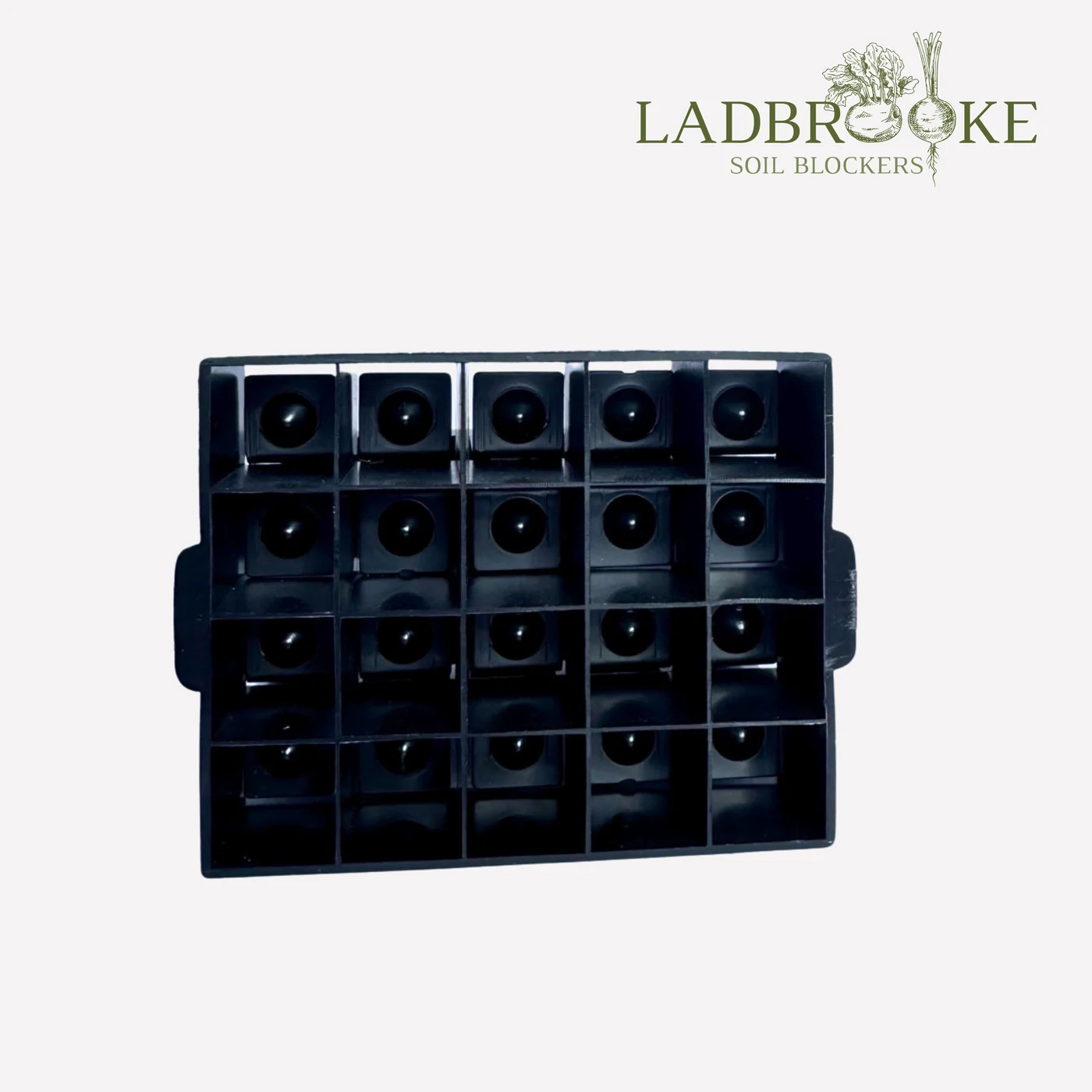
The Ladbrooke Micro 20 presses twenty very small soil blocks at once, making it a useful germination tool when seed-starting space is scarce and you already have a plan for the next growing stage. Its nominal three-quarter-inch blocks suit fine seed and careful handling. Choose it alongside the larger receiving block and correct inserts if you want a nesting system. It is a poor default for every large seed or a gardener who wants to leave seedlings in one generous cell until planting out. High block count and long growing capacity are different things.
In this review
- Output per press
- Twenty blocks
- Nominal block size
- 3/4 in / 2 cm
- Tool format
- Hand-held soil blocker
- Maker-listed dimensions
- 12.9 × 10 × 7.5 cm
A good fit for
Gardeners germinating many fine seeds in limited tray space and ready to transfer the small blocks into a larger growing unit.
Reasons to keep looking
Large seeds needing a larger starting space, coarse blocking mix, or a one-tool plan that has no receiving stage for young plants.
Specifications
- Output per press
- Twenty blocks
- Nominal block size
- 3/4 in / 2 cm
- Tool format
- Hand-held soil blocker
- Maker-listed dimensions
- 12.9 × 10 × 7.5 cm
- Maker-listed weight
- 0.27 kg
- Receiving-block options
- Mini 4, Multi 12 and Multi 6 with cube inserts
- Excluded receiving model
- Mini 5 does not accommodate the required cube insert
- Mix requirement
- Fine, suitably moist soil-blocking mix
What’s included
- Selected tool. One Ladbrooke Micro 20 hand-held blocker
- Separate growing equipment. Growing tray, blocking mix, larger blocker and receiving cube inserts are separate
Related equipment and guides
Compare the formats and model choices in seed starting.
Twenty blocks solve a germination-space problem
The Micro 20 makes twenty nominal three-quarter-inch blocks in one press. That can concentrate starting positions into a small area, useful when a warm germination spot or the first lighted shelf is limited. The small unit is also the main constraint: the seedlings need another suitable growing stage as they develop. A tray with many tiny blocks is not the same as a tray that will hold the same number of plants until garden planting. Count the space needed after germination before using every position in the first batch.
A small cavity needs a fine mixture
Large twigs and coarse pieces interfere more with a very small block than with a larger pot. Use a fine, appropriately moist blocking mix and make a few trial presses to establish clean release. This tool is a mold, so the medium must hold its shape after the walls of the mold are lifted away. The selected Amazon description specifically calls for a fine mixture. That requirement is part of the buying decision. If preparing and maintaining consistent material is an unwelcome extra task, reusable seed cells may suit your routine better.
Arrange the receiving blocks in advance
Ladbrooke identifies the Mini 4, Multi 12 and Multi 6 as receiving options when fitted with cube inserts. The small block moves into the indentation made by the insert. The Mini 5 is explicitly excluded because its block cannot accommodate that receiving insert. Those compatibility details matter more than simply buying two blockers with related names. Choose the receiving tool and inserts before sowing a large batch. A small germinated block does not become a larger one by adding loose mix around it on the same tray without an appropriate support arrangement.
Handle the batch rather than lifting every seedling
Use a suitable tray and a stable work surface to reduce unnecessary movement of the tiny blocks. Label the batch so closely spaced sowings do not become hard to distinguish as they emerge. Water and inspect the medium in a way that preserves the blocks rather than washing them apart. The tool does not regulate temperature, provide light or establish a universal watering interval. Its advantage is a repeatable small shape and high number of starting positions per press. The rest of the growing arrangement still has to suit the seed and seedling.
Choose the starting size by the whole transition
For a first soil-blocking purchase, the Mini 4 may be more versatile because its blocks are larger and can support a different growing interval before another move. The Micro 20 is more convincing when you already want a deliberate small-to-large sequence for fine-seeded crops. A conventional tray with clearly separated cells is another valid alternative. Comparing only the number of positions per press hides these differences. Decide where the plants will go next and whether that space is ready, then choose the starting block that fits the sequence.
Care, storage & ownership
After making a batch
Clear material from the small cavities and release mechanism, dry the tool and store it with its growing notes. Keep receiving cube inserts identified by the larger blocker they fit; they are not components that enlarge the Micro 20 itself.
Model comparison
Scroll across to compare the documented details.
| Model | Ladbrooke Micro 20 three-quarter-inch soil blocker | Ladbrooke Mini 4 two-inch soil blocker | Gardzen 40-cell seed-starting trays, five sets |
|---|---|---|---|
| Documented details |
|
|
|
| Reason to consider it | Gardeners germinating many fine seeds in limited tray space and ready to transfer the small blocks into a larger growing unit. | Choose Mini 4 for larger starting blocks, or use it as a receiving stage with the appropriate separate cube inserts. | Compare Gardzen’s 40-cell trays when separate cell walls and conventional tray handling suit the sowing routine better. |
Common questions
What size blocks does Micro 20 produce?
Twenty nominal three-quarter-inch, or approximately two-centimeter, blocks per press.
Can the small blocks nest into Mini 5?
No. Ladbrooke excludes Mini 5 because that block does not accommodate the required receiving cube insert.
Which larger blockers can receive them?
The maker lists Mini 4, Multi 12 and Multi 6 when the correct cube inserts are fitted.
Does it suit every seed?
No. The very small starting space is aimed at fine seed. Larger seeds and a longer growing stage can call for a larger starting block.
Is the larger blocker included?
No. This selection is the Micro 20 tool; receiving tools and inserts are separate purchases.
Model details, manuals & sources
- Full model
- Ladbrooke Micro 20 three-quarter-inch soil blocker
- Amazon ASIN
- B01D5OMBLI
Updated 2026-11-25.
Similar products
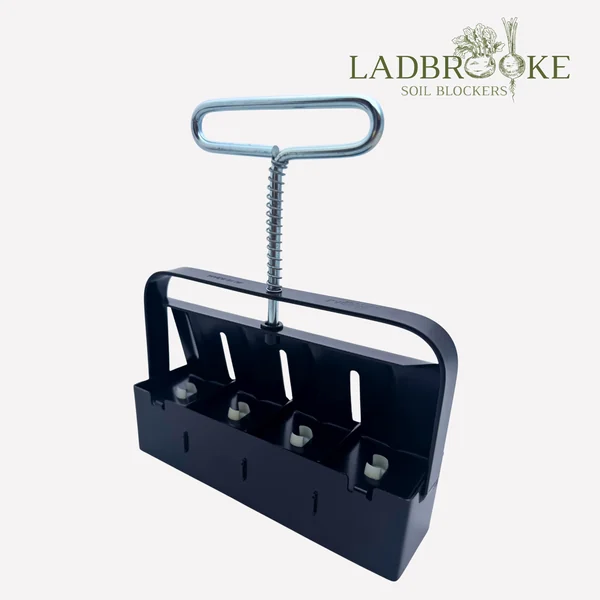
Ladbrooke Mini 4 two-inch soil blocker
Choose Mini 4 for larger starting blocks, or use it as a receiving stage with the appropriate separate cube inserts.
Explore this alternative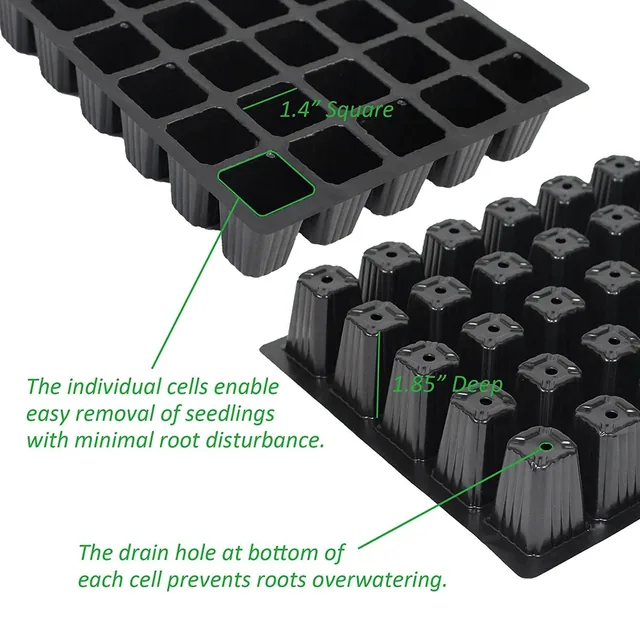
Gardzen 40-cell seed-starting trays, five sets
Compare Gardzen’s 40-cell trays when separate cell walls and conventional tray handling suit the sowing routine better.
Explore this alternative