Choose the grass before calculating bags
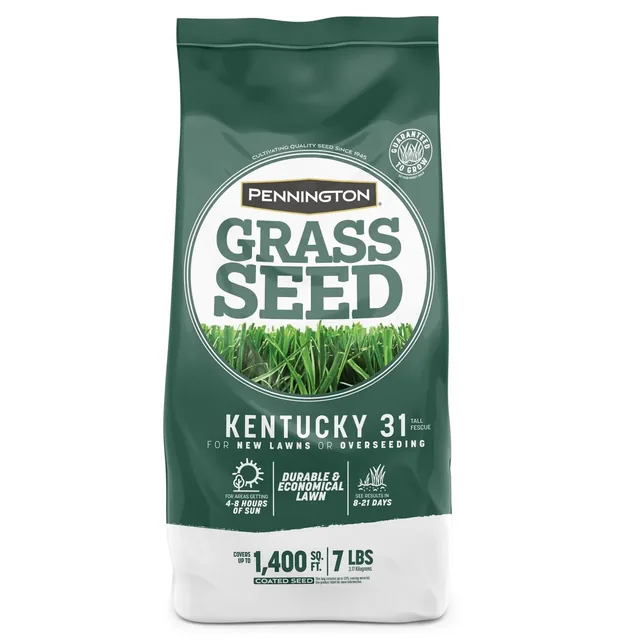
A bag that covers the measured area can still be the wrong seed. Match the grass to the region, direct sunlight, intended permanent or temporary use and the maintenance routine. Pennington Annual Ryegrass has a different lawn role from a perennial mixture. Fast germination is not evidence that two products will create the same lasting lawn.
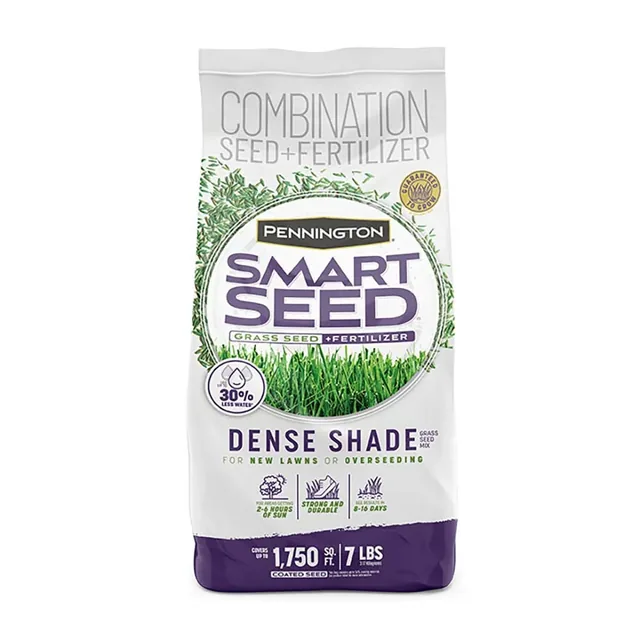
Shade mixtures also have minimum light requirements. The selected Pennington Smart Seed Dense Shade seven-pound bag lists two to six hours of sun. A shade label is not a promise of successful growth in a place with no useful light. Local extension guidance and the selected bag label should settle the grass choice before quantity.
Measure the grass area, not the property
Divide an irregular lawn into simple rectangles, measure each and add their areas. Subtract beds, paving and buildings. For a 40-by-25-foot rectangle, the area is 1,000 square feet. A separate 20-by-15-foot lawn adds 300, bringing the total to 1,300 square feet.
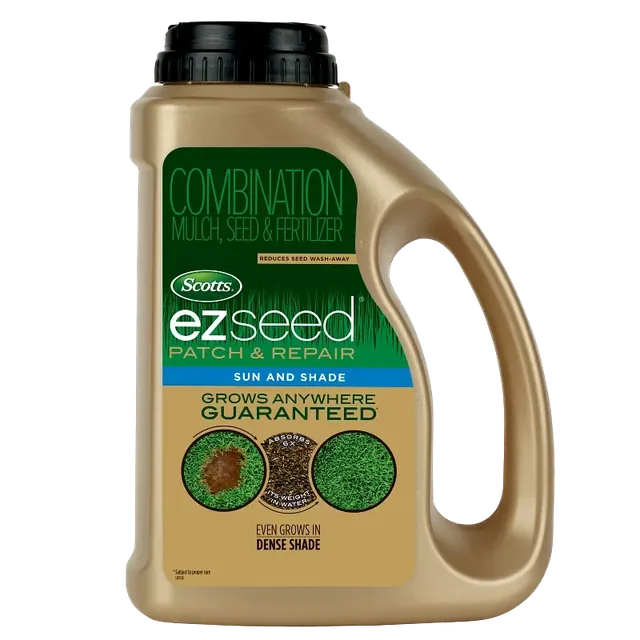
Keep patch repair separate from whole-lawn overseeding. A patch product may include mulch and fertilizer, so its bag weight is not directly comparable with a seed-only mixture. The selected EZ Seed 3.75-pound package states coverage up to 85 square feet; it should not be placed into a seed-only price-per-pound comparison.
Use the application column that matches the job
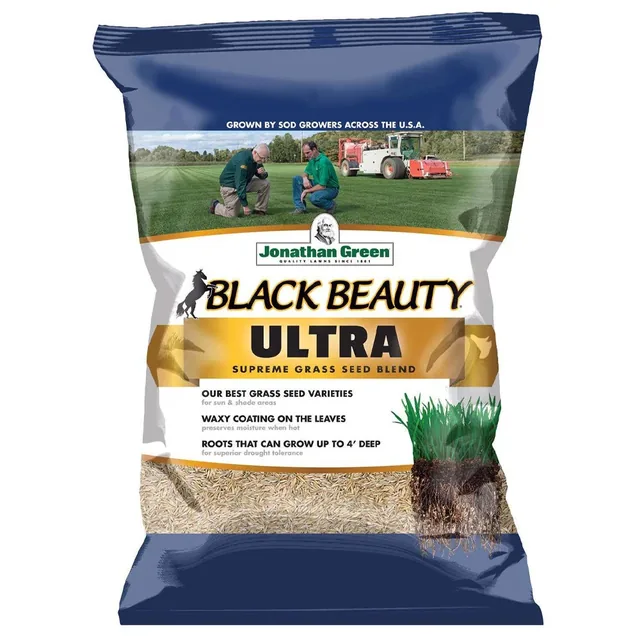
For 2,500 square feet, Black Beauty Ultra’s new-lawn figure gives 2,500 ÷ 1,400 = 1.79 bags, rounded up to two. Its overseeding figure gives 2,500 ÷ 2,800 = 0.89, rounded up to one. That is a quantity calculation from stated coverage, not a recommendation to spread the one-bag amount onto bare ground.
For the selected Pennington Dense Shade seven-pound bag, the corresponding figures are up to 600 square feet for bare areas and 1,750 for overseeding. Differences in mixture and label rates make bag-to-bag comparisons more useful than assuming equal weight means equal coverage.
Keep the label and spreader setting together
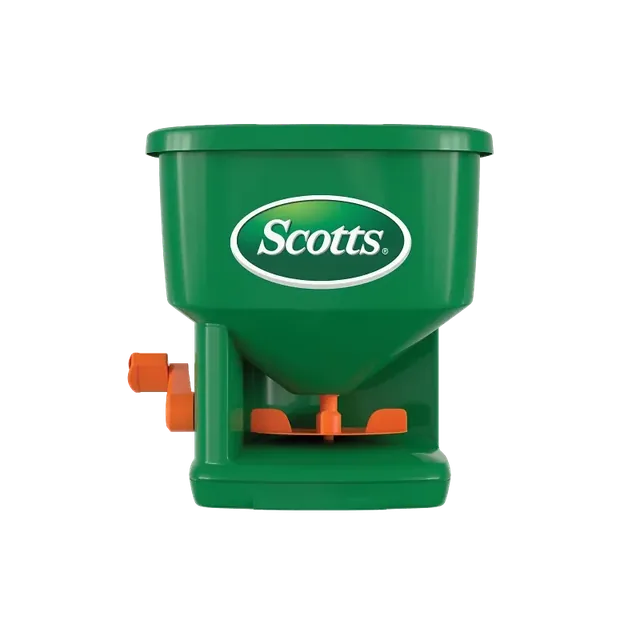
The product label determines the application rate. A spreader’s hopper capacity describes how much it carries, while its setting controls material flow under the specified calibration. There is no universal setting for every seed mixture or even every spreader from one brand.
Use the calculator as a planning example, then match the exact current bag and job on its label. Watering and establishment conditions remain part of the purchase; buying a larger quantity cannot correct unsuitable grass, compacted ground or an unresolved drainage problem.
Common buying questions
Why do new-lawn and overseeding coverage differ?
They describe different establishment situations and label application rates. Select the intended job before dividing the measured area by coverage.
Does rounding up mean all the remaining material should be applied?
No. Whole-bag purchasing and the label application rate are different. Use the stated rate and store any remaining material according to its label.