Move the debris to a useful collection position
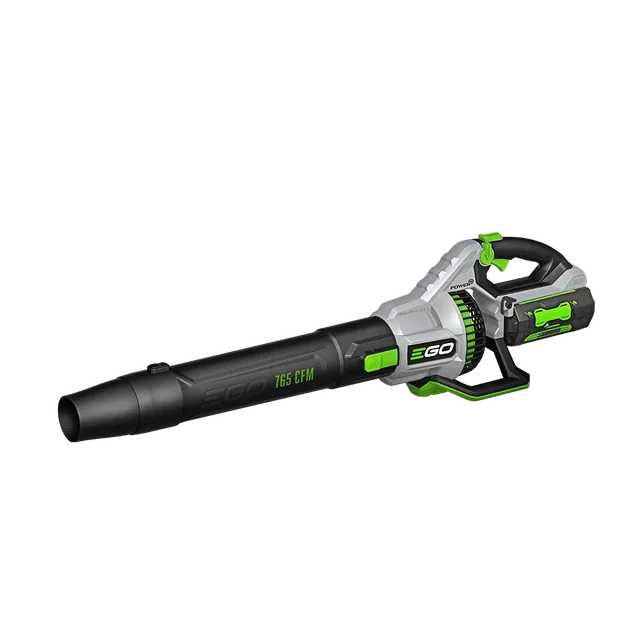
A leaf blower changes where loose material sits. It does not turn it into a contained load. EGO LB7654 is a battery-kit example with up to 765 CFM, while the BLACK+DECKER corded model lists 180 CFM. Those airflow figures do not measure the complete cleanup time or the amount collected.
Consider the outlet route for a corded blower and the complete carried weight for a battery model. Where moving the pile is already straightforward, a leaf bin, scoops or a sweeper can be a more relevant missing tool than a larger blower.
Choose the collection format for the surface
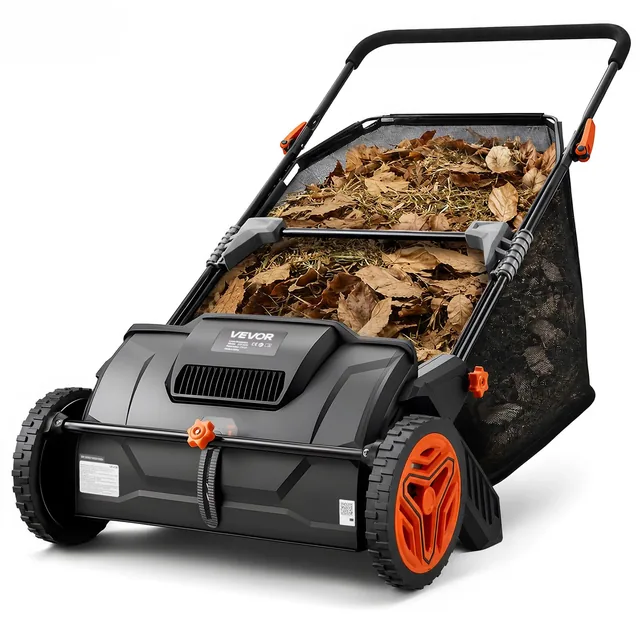
A lawn sweeper needs a suitable surface and working route; a stationary leaf mulcher needs material brought to it. The VEVOR 21-inch sweeper has a stated 3.5-cubic-foot hopper, while the 30-inch example lists 12 cubic feet. Width and hopper volume are separate figures and neither proves equal pickup on wet leaves or uneven ground.
A leaf vacuum, a wood chipper and a line-based leaf mulcher also have different approved materials. A branch capacity on one machine must not be transferred to a different leaf-processing tool because both have a hopper.
Match hauling volume and payload separately
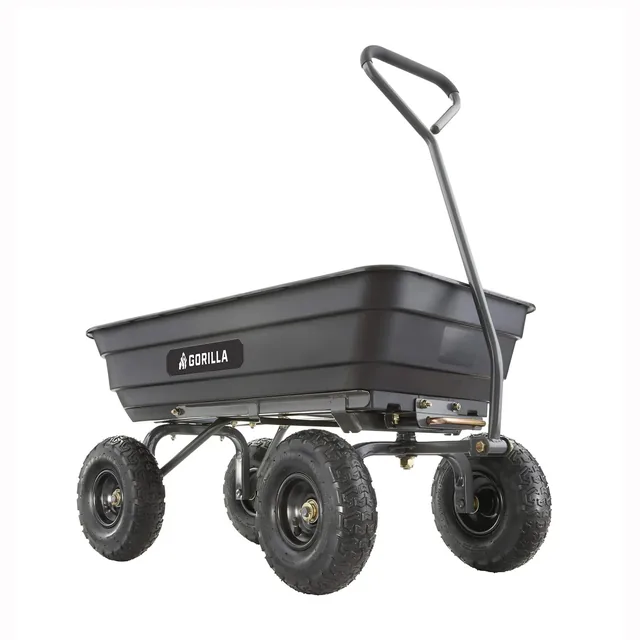
Gorilla GOR4PS lists four cubic feet and a 600-pound load limit. GOR6PS lists six cubic feet and 1,200 pounds. Volume increases by 50 percent while the stated payload doubles. That arithmetic does not establish an operator’s safe or comfortable pulling load.
Wet soil and dry leaves use the same volume very differently. Include wheels, turning room, unloading space and the route in the cart choice. A dump cart can simplify tipping loose material while a wagon deck may suit a different supported load.
Read washer pressure and flow as a matched pair
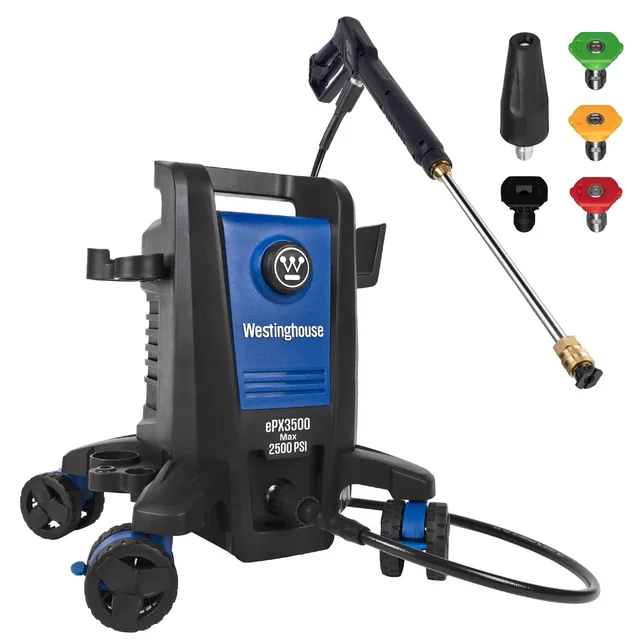
The Greenworks 3000 PSI example lists 3,000 PSI at 1.1 GPM, plus 2.0 GPM at 100 PSI. Combining 3,000 with 2.0 invents an operating point the manufacturer does not state. Westinghouse ePX3500 lists 2,000 rated PSI and 1.2 rated GPM, with separate maximum figures.
Hose reach, the power supply and the cleaning surface’s limits remain relevant even after output is compared correctly. A longer hose can reduce repositioning, but it cannot make an unsuitable nozzle or pressure safe for a delicate surface. Follow the exact machine and surface instructions.
Common buying questions
Does a blower collect the leaves?
A blower moves suitable debris. Collection requires a separate stage or a model with a documented vacuum/collection function.
Can maximum PSI and maximum GPM always be multiplied?
No. They may be measured at different operating conditions. Use a matched pair or rated figures.