Count the lawn sections and their connections
Draw the grass areas separately from the whole property. Mark narrow links, gates, paths, abrupt drops and detached lawns. A total within the mower’s stated coverage can still contain sections that have no supported connecting route. The model’s passage and crossing rules matter at those links.
Decide how the mower reaches and leaves its charging position. A base that fits neatly behind a shed can be a poor working location if the mower lacks the required approach or positioning conditions. Charging access belongs on the same drawing as the lawn.
Separate navigation from traction
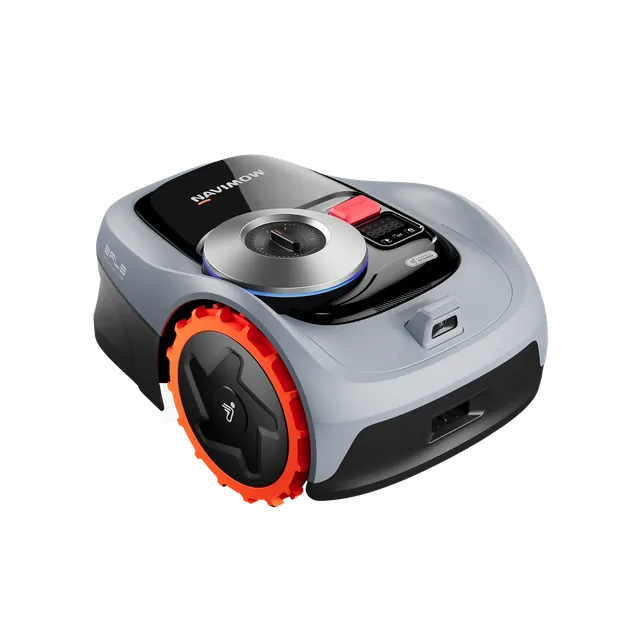
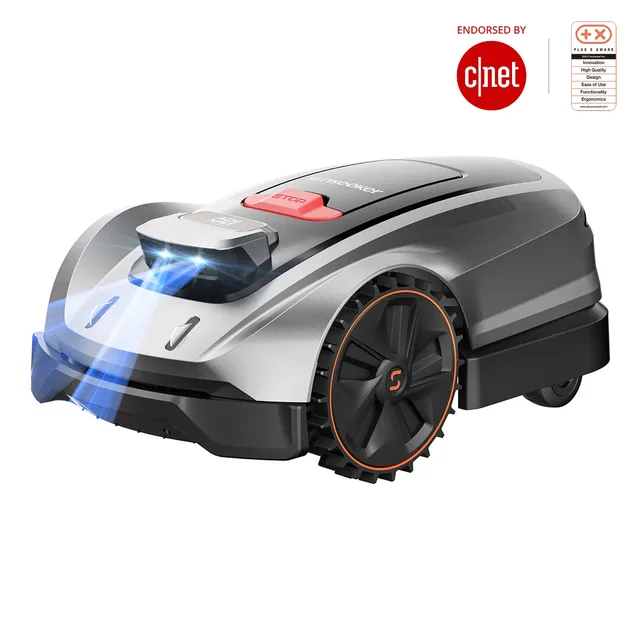
Segway i105N and Sunseeker X3 Plus are RTK-and-vision examples. Their installation needs are separate from an all-wheel-drive specification on another robot. RTK installation, buildings, trees and vision conditions need model-specific checks; adding traction cannot remove a positioning problem.
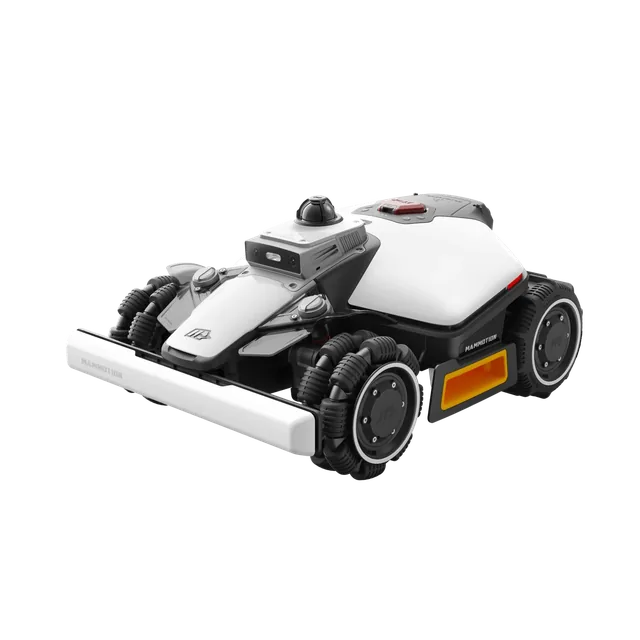
Mammotion LUBA mini 2 AWD 1500H offers an AWD format with a 2.2–4-inch high-cut range. Those features should be compared with the site and grass, not interpreted as a guarantee for every slope. Keep the exact model suffix because it can identify a different height range or supplied package.
Read coverage as maintenance capacity
The selected examples are in 1/8-acre, 0.3-acre and 0.37-acre classes. Those are product coverage categories, not measured completion times for this lawn. Mowing windows, growth, obstacles and charging interruptions affect the routine. A robot generally changes the frequency and style of maintenance rather than simply replacing one long weekly mowing session with an equal timed run.
Compare the cut-height range with the intended grass management. A mower that cannot reach the desired height should leave the shortlist before app features are compared. Boundary-edge cleanup can remain a separate job even where the robot handles the main lawn.
Choose a setup you can recover and maintain
Consider where the mower can stop, how it can be reached and what happens when a gate or passage is unavailable. Mapping and app control are useful only when someone can maintain the installation and address interruptions. Blades, weather handling and seasonal storage still follow the exact manual.
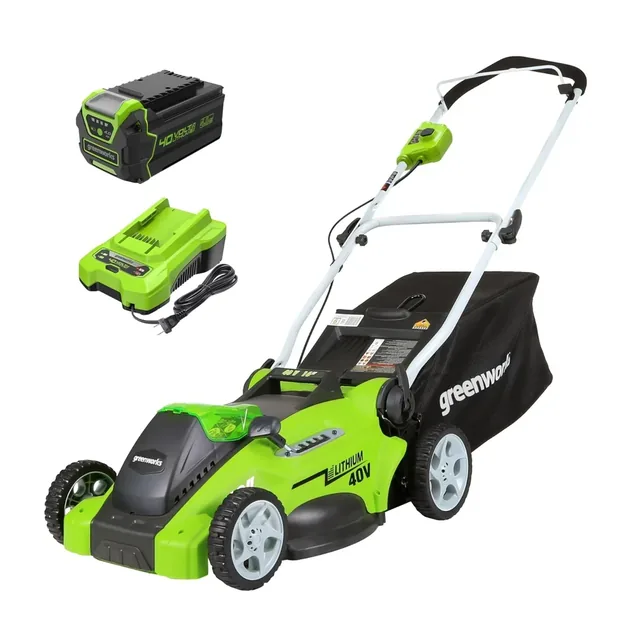
If the site fails the robot’s requirements, a suitable walk-behind mower remains a different practical choice. That is more useful than choosing a larger robot solely for its higher advertised area. Our comparisons use specifications and installation questions, not a claimed hands-on navigation test.
Common buying questions
Does wire-free mean no installation work?
No. The charging position, map, positioning system and supported lawn connections still need installation work.
Can AWD solve an RTK positioning problem?
No. Traction and position/navigation are different capabilities.